
Hiring & Recruitment

How to Gain Recruiting Experience: Top Strategies
Introduction
Pressure is constant when you're a hiring manager.
Your day moves fast. Candidates ghost. Clients change specs last minute. And every role feels like a race against time. It’s no surprise that 61% of HR leaders say their top challenge is attracting the right talent.
In this kind of pressure cooker, experience isn't a nice-to-have; it’s your survival kit. It helps you ask better questions, manage client expectations, and recognize the difference between a great resume and a great hire.
The good news? Recruiting experience isn’t something you wait around for; it’s something you can build, step by step.
Let’s explore the practical strategies that help you grow quickly and recruit more effectively.
TL;DR
- Build trust through transparency by clearly communicating job details, expectations, timelines, and regular updates throughout the hiring process.
- Create engaging interviews that assess skills while giving candidates a positive and meaningful experience.
- Focus on candidate relationships with personalized communication, timely follow-ups, and ongoing engagement to improve hiring success.
- Use feedback to improve by sharing constructive insights, gathering client input, and tracking recruitment metrics.
- Prioritize referrals and cultural fit to make better hiring decisions, improve retention, and build stronger long-term teams.
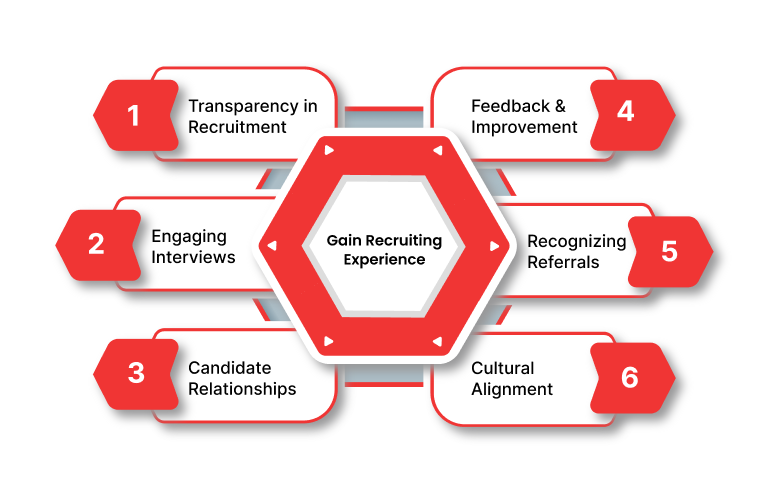
1. Transparency in Recruitment
Transparency isn’t optional; it’s how you build trust, avoid surprises, and move faster with confidence.
Share Job Details Upfront
Make sure candidates have all the key information from the start:
- Include job title, salary range, benefits, and perks
- Clarify visa requirements and remote/hybrid/on-site options
Set Clear Expectations
A predictable hiring process creates a positive candidate experience:
- Outline all interview stages, including purpose and format
- Share timelines and who the candidates will meet at each stage
Clarify Role Responsibilities
Avoid vague job descriptions, be clear and detailed:
- List daily tasks and key deliverables
- Explain the team structure and how the role supports business objectives
Be Honest About Contract Terms
If it’s a contract role, manage expectations transparently:
- Clearly state contract length and potential for renewal or conversion
- Avoid open-ended language or unclear commitments
Communicate Regularly
Lack of updates can cause anxiety or disinterest in staying in touch:
- Provide updates after each stage, even if it's a "no update" update
- Notify candidates promptly if timelines shift or decisions are delayed
Done right, transparency simplifies hiring and strengthens relationships from day one.
At Consultadd, we take transparency even further by removing friction at every step. Our team delivers screened, compliant, and ready-to-hire candidates, solving the problems of slow hiring cycles and unqualified applicants before they hit your desk. That means faster, clearer decisions and zero surprises in documentation or compliance.
2. Engaging Interviews
Great interviews aren’t just about ticking boxes; they’re about discovering passion and potential.
Marc Benioff, co-founder and CEO of Salesforce, once shared a simple but powerful insight that changed how he hires:
“The secret to successful hiring is this: look for the people who want to change the world.”
Therefore, an interview should feel like progress not pressure.
When it’s done right, candidates feel valued, and clients see the full picture. Great interviews uncover ability and build momentum toward hiring.
Here’s how to create interviews that engage, assess, and impress:
Smart interviews don’t just evaluate; they engage, convert, and build long-term credibility.
In fast-paced tech markets, speed is key. Use targeted sourcing tools, automated screening, and hands-on coding tests to quickly find top talent without sacrificing quality. Read Efficient Tech Hiring Strategies for Fast Talent Acquisition to learn more. These strategies help you hire smarter and faster.
3. Building Candidate Relationships
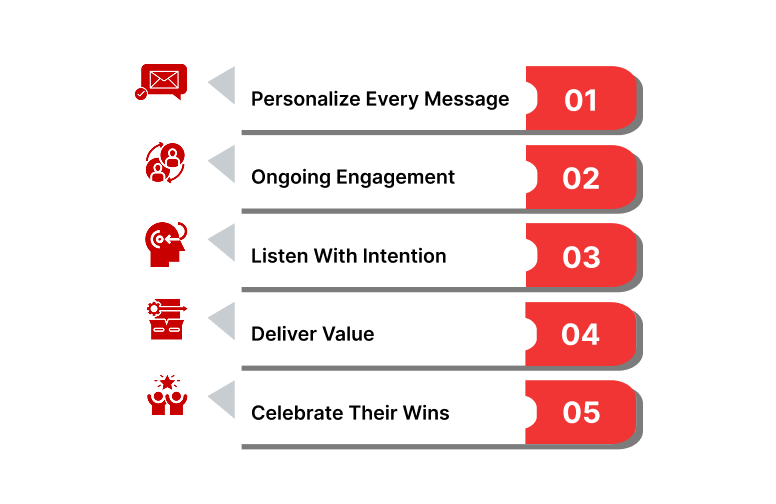
When candidates feel like numbers, they vanish. When they feel like people, they engage, they return.
Stronger relationships don’t just improve hiring metrics; they build your reputation as someone worth working with.
Here’s how to turn brief interactions into lasting connections:
- Personalize Every Message: Skip the generic outreach. Reference their past projects or career goals. Show them they’re more than a resume.
- Stay in Touch, Even Between Stages: No news? Still check in. A 2-line update shows you haven’t forgotten them, and they won’t forget you either.
- Listen With Intention: Candidates want to feel heard. Let them share career concerns, not just answers to interview questions.
- Deliver Value, Even After a “No”: Didn’t move forward? Offer constructive feedback or future leads. It sets you apart in a sea of silence.
- Celebrate Their Wins: Placed them? Reach out weeks later. A “Congrats, how’s it going?” message builds lifelong loyalty.
Human-first recruiting turns short-term hires into long-term advocates.
At Consultadd, we help you build these relationships at scale. Our process keeps candidates engaged with career support, visa guidance, and benefits, helping you dramatically reduce drop-offs. Plus, with a consistent pipeline of specialized, vetted talent, you’re always ready to meet client demand, no scrambling required.
4. Feedback and Improvement
Silence after an interview does more than disappoint; it damages trust.
Below are actionable ways to make feedback part of your competitive edge:
Give Feedback That Adds Value
- Share specific strengths and gaps, not vague “not a fit” responses.
- For rejected candidates, offer 1–2 actionable takeaways they can use elsewhere.
- With selected hires, reflect on why they stood out to improve future assessments.
Build a Feedback Loop with Clients
- Ask hiring managers for feedback on both hires and near-misses.
- Track patterns in client feedback to refine your sourcing or screening strategy.
- Use quick feedback forms to simplify the process and encourage more responses.
Use Feedback to Strengthen Employer Brand
- Candidates remember how you made them feel. Even rejections can leave a good impression.
- Positive feedback moments often lead to referrals and repeat applications.
- Mention candidate-centric feedback practices in job posts to build trust early.
Improve Internally, Too
- Debrief after every close: What went well? What slowed things down?
- Collect candidate satisfaction insights through short, post-process surveys.
- Share wins and lessons in team huddles to build a culture of continuous improvement.
Done right, feedback isn’t just a mirror; it’s a springboard.
Focus on key metrics like time-to-fill, quality of hire, and candidate satisfaction. Tracking these KPIs uncovers process gaps and drives continuous improvement, making your hiring more effective and transparent. Read Measure What Matters: Recruitment KPIs That Drive Real Results for actionable insights.
5. Recognizing Referrals
Referrals aren't just warm leads; they're signals of trust. When someone puts their name behind a candidate, they’re giving you a shortcut to quality.
To keep referrals flowing, you need more than a program; you need recognition.
Why Referrals Deserve the Spotlight
- Faster hires: Referred candidates are hired faster than those from job boards.
- Stronger fits: They're more likely to align with company culture and stay longer.
- Lower cost: No ad spend. No cold sourcing. Just results.
Yet, when referrers hear nothing back or receive no acknowledgment, the incentive dies.
What Recognition Really Looks Like
Recognition isn't one-size-fits-all. Here's what it can look like beyond cash bonuses:
6. Company Integration and Cultural Fit
The right talent is only as powerful as the culture in which they thrive. Ensuring perfect alignment means more than matching skills; it means harmonizing values, attitudes, and ambitions.
- Understand What Drives the Company
Get clear on the client’s core values and daily rhythms. This helps you spot candidates who will feel at home. - Connect on a Human Level
Encourage conversations that reveal candidates’ work styles, motivations, and personal values. This insight drives better matches. - Partner Closely with Hiring Leaders
Collaborate to define what cultural fit truly looks like for each role, beyond buzzwords and assumptions. - Set Clear Expectations for Candidates
Transparency about the company environment and culture creates trust and prepares candidates to succeed. - Use Behavior-Based Evaluations
Incorporate assessments that highlight traits matching the company’s ethos, boosting integration success. - Champion Meaningful Onboarding
Integration starts on day one. Help clients make new hires feel valued and connected right away. - Encourage Mentorship and Connection
Assign culture ambassadors to guide newcomers and model the company’s spirit. - Gather and Act on Feedback
Regular check-ins with new hires and teams spot friction early and improve future placements. - Continuously Refine Your Approach
Use lessons learned to sharpen recruitment strategies, ensuring every hire is a cultural win.
By weaving culture into every step, you turn hires into long-term champions, the true drivers of your client’s success.
Conclusion: Gaining Recruiting Experience Through Key Strategies
Hiring managers know the weight of delivering fast, quality hires. Turning that challenge into a competitive advantage is key. By applying proven strategies like simplifying hiring, ensuring cultural fit, and valuing referrals, you build trust and confidence with your clients.
Experience isn’t just about filling roles; it’s about creating lasting success for both talent and companies. When every hire is purposeful, your reputation grows stronger, and so does your business.
Here’s how at Consultadd we support you in mastering these strategies:
- Safe, reliable hires: Every candidate is thoroughly vetted for experience and compliance, so they perform from day one.
- Lower turnover risks: Candidates are committed to long-term success, reducing costly disruptions.
- Seamless compliance: Visa issues, documentation, and regulations are handled smoothly, no headaches for you.
- Continuous support: We stay engaged after placement, ensuring your hires thrive and grow
Why partner with us?
- 14+ years of experience in staffing and recruitment
- 5,000+ successful staffing engagements completed
- Delivered the top 100 candidates in the past year
- Trusted by ~65 satisfied staffing companies recently
- Signed MSAs with leading partners like Robert Half and Teksystems
- Dedicated 1:1 account managers for personalized service
- Talent sourcing capability in less than 24 hours, ready to deploy
- Strong university connections ensuring fresh, quality talent pipelines
Start Strong With Consultadd
Working with an experienced partner like Consultadd ensures you hire smarter. From structured processes to real-time market insights, we help you avoid costly missteps and build teams that deliver from day one.
In a market where great tech talent is hard to find and harder to keep, your approach to staffing makes all the difference. Looking to build a future-ready tech team? Contact Us>>
Key Takeaways
- Transparency creates a better hiring experience and helps build trust with both candidates and clients.
- Strong candidate relationships lead to better engagement, lower drop-off rates, and a stronger employer reputation.
- Continuous feedback helps improve recruitment processes and creates a better experience for everyone involved.
- Employee referrals and cultural fit often result in faster hiring, better retention, and higher-quality hires.
- Successful recruiters keep learning by refining their approach, using data, and focusing on long-term hiring success.
FAQs
How can I gain recruiting experience quickly?
Focus on building strong communication skills, learning from feedback, understanding client needs, and following a structured recruitment process.
Why is transparency important in recruitment?
Transparency sets clear expectations, builds trust, reduces misunderstandings, and improves the overall candidate experience.
How do you build strong relationships with candidates?
Personalize communication, provide regular updates, listen to their career goals, and stay connected even after the hiring process ends.
Why are referrals valuable in recruitment?
Referrals often lead to faster hiring, better cultural fit, lower recruitment costs, and higher employee retention.
How can recruiters improve their hiring process over time?
Collect feedback from candidates and clients, track recruitment metrics, analyze results, and continuously refine hiring strategies.

Why You Shouldn’t Skip Reference Checks After an Interview
Introduction
You’ve done the groundwork, sourced candidates, lined up interviews, and kept your client happy.
Now you’re in that nerve-racking space between the final round and the offer.
You need to be sure. So does your client. That’s where reference checks come in.
For hiring managers, these checks are more than formalities. They’re make-or-break moments. A way to confirm that the person listed on paper is the same in the job.
Reference feedback offers more reliable insights into future job performance than college GPAs, majors, or even written tests. It’s trusted more than personal recommendations and for good reason.
Think of it as your final layer of truth. No resumes. No rehearsed answers. Just real stories from real people who’ve worked with your candidate. They can clear the path or raise the correct red flags. Done right, they give you clarity, confidence, and the edge you need to advise your client with conviction.
Let’s understand why reference checks after interviews give you a competitive advantage.
TL;DR
- Reference checks validate interview findings by providing real-world insights into a candidate’s skills, work ethic, and behavior.
- They help hiring managers make confident decisions by reducing hiring risks and comparing top candidates more effectively.
- A structured reference check process uncovers strengths, identifies potential concerns, and verifies cultural fit before making an offer.
- Reference feedback should be evaluated carefully, considering context, multiple perspectives, and legal boundaries instead of relying on one opinion.
- Working with a trusted staffing partner streamlines reference checks and helps businesses hire reliable, well-vetted candidates with confidence.
Understanding Reference Checks After Interviews
- Reference checks happen after the interview to verify a candidate’s claims.
- They are conversations with people who’ve worked closely with the candidate.
- The goal: uncover real insights about work habits, skills, and character beyond the resume.
Main Significance of Reference Checks Post-Interview
- Reference checks reduce uncertainty in hiring decisions.
- They help identify strengths and uncover risks before the final offer.
- This builds trust with clients by ensuring candidates match their needs and culture.
Advantages of Conducting Reference Checks Post-Interview
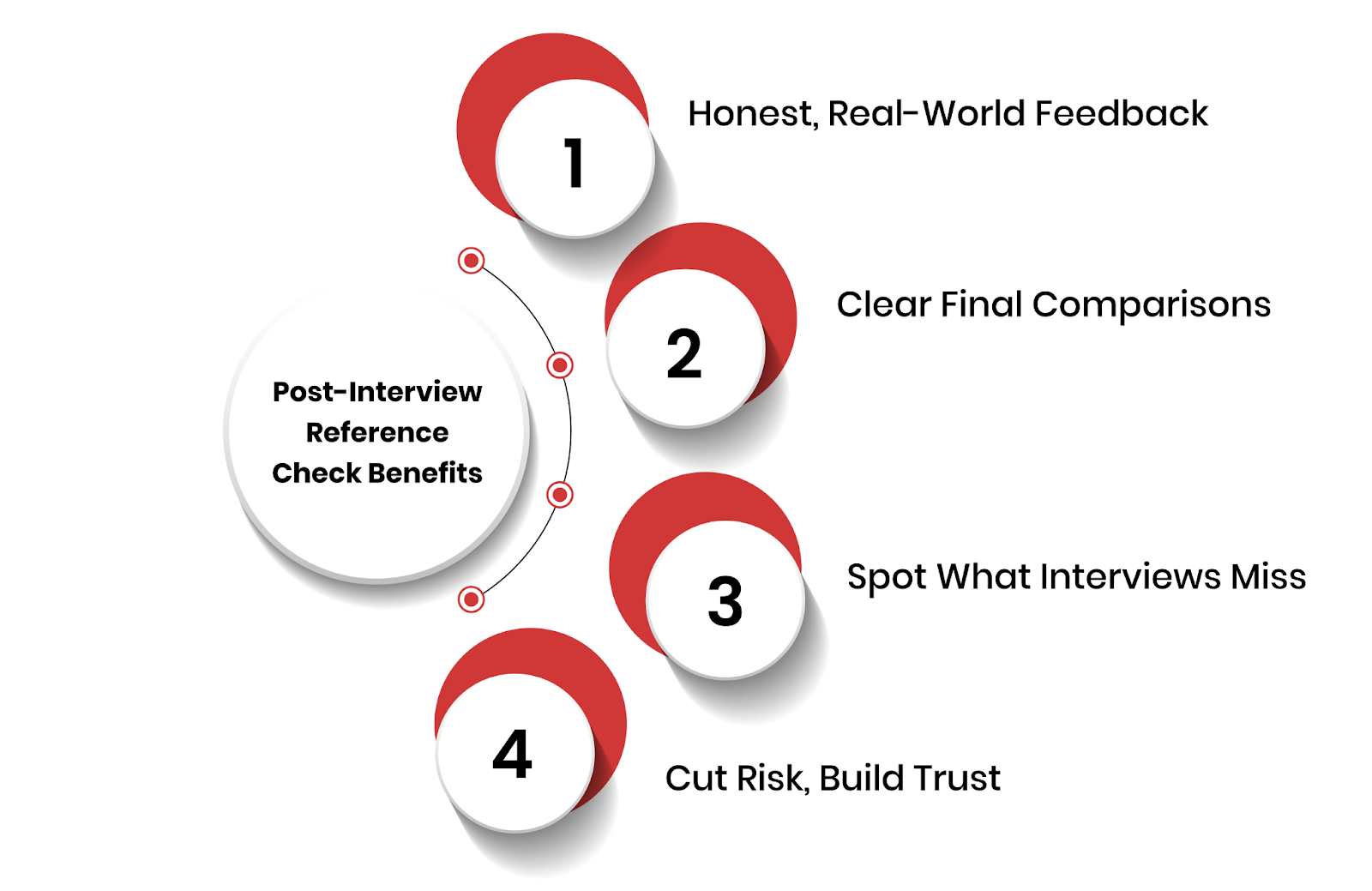
When the finish line is in sight, every decision feels like it has higher stakes.
That’s when reference checks become your smartest move, not just for assurance, but for insight.
Here’s how post-interview reference checks give you a real advantage:
1. Real-World, Unfiltered Feedback
No buzzwords. No pitch. Just honest insights from people who’ve actually worked with the candidate.
- You hear how the candidate handled pressure, deadlines, and team dynamics.
- You get stories, not summaries, that help you see the person behind the profile.
2. Final Comparisons Made Clear
Got two great candidates? References help tip the scale with details no resume will reveal.
- Understand how each candidate fits into real-world scenarios.
- Highlight traits that matter most to your client; initiative, accountability, and collaboration.
3. Catch What Interviews Might Miss
Interviews are controlled. References are candid.
They expose blind spots before they become deal-breakers.
- Uncover gaps in communication, ownership, or consistency.
- Address those gray areas with evidence, not assumptions.
4. Reduce Risk and Build Trust
Clients want speed, but not at the cost of quality.
References allow you to deliver both.
- Protect your reputation by presenting only fully vetted talent.
- Position yourself as the consultant who goes the extra mile with purpose.
When you conduct reference checks after the interview, you move with clarity, not guesswork.
At Consultadd, we know it’s not just about filling roles, it’s about finding the right fit. Our talent acquisition process ensures you get fully screened candidates with the right skills and cultural fit. Through thorough reference checks, we help you make confident, informed decisions that benefit both your clients and candidates.
Next, let’s look at the challenges and careful considerations that come with reference checks.
Challenges and Considerations in Reference Checks
Reference checks can sharpen your decision-making but they’re not without risk or responsibility.
One vague response or misinterpreted comment can sway your client’s confidence or delay a decision.
Here’s what you need to watch out for and how to manage it with clarity and control:
1. Negative or Biased Feedback
Not every reference will be glowing. Some might be unfair. Some, just misaligned.
- Past tensions or personal bias can color feedback in subtle ways.
- One bad review doesn’t cancel strong interviews and proven skills.
Pro Tip: Always weigh reference feedback as part of a larger picture, not in isolation.
2. Gaps Between Performance and Perception
Sometimes the reference paints a different picture than your client expects.
- A “quiet performer” may be brilliant but under-recognized.
- A “great communicator” may clash with certain leadership styles.
Pro Tip: Look for patterns across multiple references, not just a single comment.
3. Incomplete or Vague Answers
Some references aren’t prepared. Others may avoid details to protect themselves.
- “They were fine” tells you nothing.
- Lack of examples or context creates more questions than answers.
Pro Tip: Use focused, open-ended questions that prompt specifics, not safe generalities.
4. Legal and Ethical Boundaries
There’s a fine line between helpful insight and sensitive information.
- References may hesitate to share due to liability fears.
- Always keep the process respectful, relevant, and compliant.
Pro Tip: Stick to professional topics, avoid anything personal or protected by law.
Reference checks require balance: clear structure, thoughtful interpretation, and a strong sense of fairness.
Role and Influence of References in Hiring Decisions
Not every glowing review guarantees a placement, and not every vague answer signals rejection.
Reed Hastings, co-founder of Netflix, shared an important insight:
“You’ve got to recognize in references that people are inconsistent with their past. You have to work the network to get close, to find ways of connecting with people.”
This approach helped him build one of the most disruptive work cultures in the world, by looking beyond the surface and truly listening to what others had experienced firsthand.
References are reality. But Hastings took it further than just calling a few names on a resume.
Here’s how reference feedback fits into your decision-making process:
Use reference checks as a tool to guide decisions, not as a gatekeeper to block talent.
Understanding the nuances of culture is essential, as explored in our blog on How Cultural Fit Transforms Hiring Outcomes, a must-read to align talent with company values for lasting success.
Engaging and Communicating with References
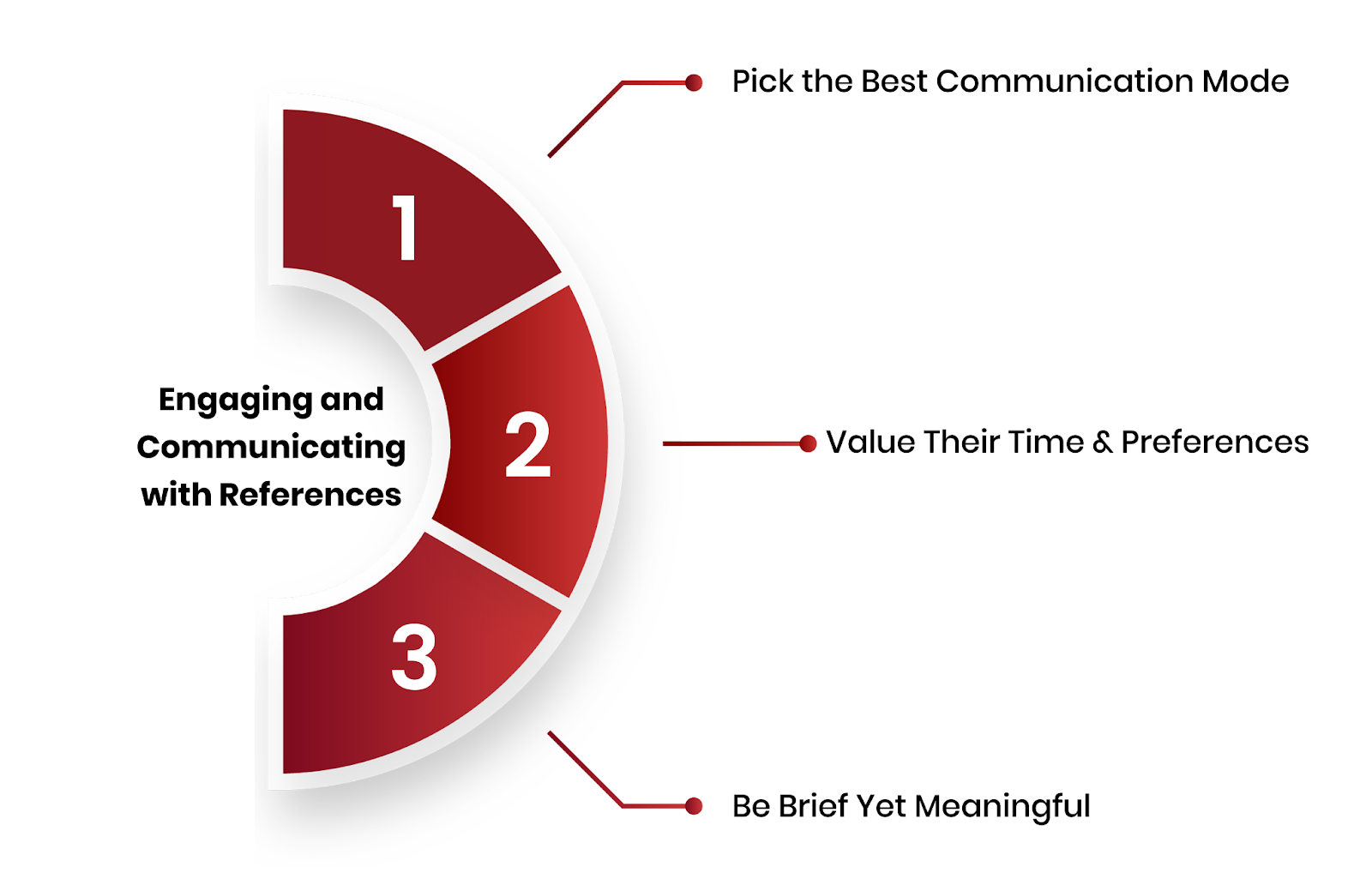
You’ve got a promising candidate. Now comes the part that can make or break momentum, reference calls. Done well, they reinforce confidence. Done poorly, they leave you chasing clarity.
Let’s simplify the process with a thoughtful, respectful approach that delivers value fast.
1. Choose the Right Mode of Communication
Not all references are email people. Some prefer calls. Others lean toward video.
- Phone Calls: Quick, personal, and easier for candid responses. Ideal for real-time clarifications.
- Video Calls: Great when tone and facial cues add context. Use when stakes are high.
- Emails (last resort): Convenient, but may get delayed or lack depth. Use when timing is tight.
Pro Tip: Always ask for the reference's preferred communication method when scheduling.
2. Respect Their Time and Preferences
Remember, references aren’t obligated, they’re doing this as a courtesy.
- Ask for a 15-minute window. Stick to it.
- Confirm time zones before scheduling.
- Send a quick email with context; who you are, why you’re calling.
Respect builds rapport. Rapport leads to honest answers.
3. Get to the Point, But Make It Meaningful
Don’t bury them in questions. Stay focused on what actually moves the hiring needle.
Use this structure:
This simple format keeps things clear, structured, and respectful of everyone’s time.
When done right, reference calls aren’t just routine; they're a competitive edge.
Formulating Effective Questions for References
Reference calls aren’t the time to wing it. The right questions can surface gold or clear red flags.
Poorly framed questions waste time and return vague praise. Strong questions lead to clarity, confidence, and better hiring choices.
Here’s how to streamline your reference conversations.
1. Confirm Key Details
Quick checks to validate resume claims:
2. Surface Strengths and Growth Areas
Uncover high-impact traits and learning agility:
- What are their top 2–3 strengths?
- Did you see noticeable growth in their time with you?
Tip: Look for themes across references, consistency is a strong indicator of truth.
3. Assess Interpersonal & Soft Skills
Gauge how they operate under pressure and in a team setting:
4. The Rehire Test
The most telling question:
Would you hire them again?
Remember, if there’s hesitation, dig deeper. It’s often where the truth lives.
To help you navigate this crucial step, check out our blog on Smart Reference Questions to Make Better Hiring Decisions, which highlights targeted questions designed to uncover the most valuable insights about your candidate.
Handling Potential Red Flags from Reference Feedback
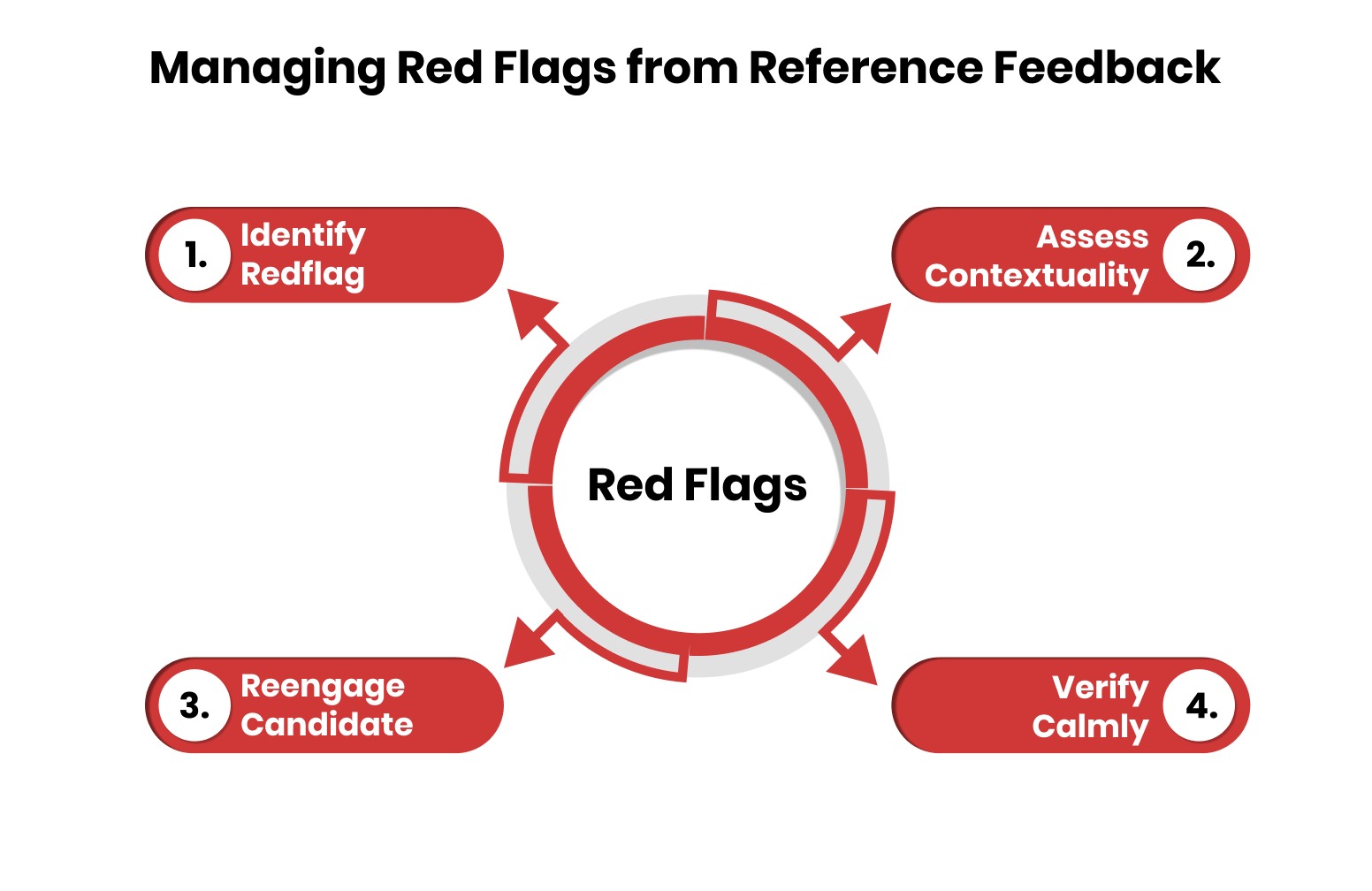
You’ve spotted a red flag during a reference call.
Now what? Panic? Reject the candidate outright?
Not so fast.
These moments aren’t deal-breakers, they’re decision-shapers. And with the right approach, they build stronger hires.
1. Start by Identifying the Nature of the Red Flag
Not all red flags carry equal weight. Categorize them first:
2. Ask: Is This Contextual or a Pattern?
Before jumping to conclusions, ask:
- Did this issue surface early or persist throughout?
- Was the environment high-pressure or poorly managed?
- Were there signs of personal growth or ownership?
Remember, context often reveals more than the feedback itself.
3. Reconnect with the Candidate (If Needed)
When the concern feels unclear or subjective, go back to the source, your candidate.
Ask them:
- “How would you describe that working relationship?”
- “What feedback did you receive at the time?”
- “What would you do differently now?”
Growth-oriented answers suggest coachability, not concern.
4. Cross-Reference, Don’t Overreact
You’re not relying on one reference. You’re triangulating truth from multiple data points:
- Interview performance
- Assessment results
- Reference feedback
- The role’s key success traits
Use the red flag as one lens, not the whole viewfinder.
Note: You’re not just screening out risk. You’re shaping better matches.
Conclusion: Embrace the Full Value of Reference Checks in Post-Interview Decisions
When placements go sideways, it’s rarely the resume or interview that misleads, it’s what you didn’t verify.
Reference checks hold the final piece of the puzzle. And skipping them? That’s a risk you can’t afford.
You know the pressure: Clients want reliability, speed, and talent that won’t flake six weeks in.
By digging into reference feedback, you don’t just place faster, you place smarter, with staying power.
At Consultadd, we turn those insights into action. We transform how staffing agencies hire by delivering:
- Safe, reliable hires: Vetted for compliance, skill, and fit ready to contribute from day one.
- Lower turnover risk: Our candidates are invested, not just available. Long-term success is the goal.
- Seamless compliance: Visa complexities? Paperwork? Regulatory hurdles? We've already handled it.
- Continuous support: Our job doesn’t end at placement. We support your success far beyond Day 1.
And we don’t just say it, we deliver:
- 1:1 account managers for every partner
- Top 100 candidates placed in the past 12 months
- Trusted by ~65 satisfied staffing firms in just the last year
- MSAs with industry giants like Robert Half and Teksystems
- 5K+ successful staffing engagements across 14+ years of business
- Talent sourced in under 24 hours
- Ready-to-deploy professionals with verified experience
- Strong university relationships for fresh, job-ready talent
Start Strong With Consultadd
Working with an experienced partner like Consultadd ensures you hire smarter. From structured processes to real-time market insights, we help you avoid costly missteps and build teams that deliver from day one.
In a market where great tech talent is hard to find and harder to keep, your approach to staffing makes all the difference. Looking to build a future-ready tech team? Contact Us>>
Key Takeaways
- Reference checks provide deeper insights that interviews and resumes alone cannot reveal.
- Using structured questions helps gather meaningful, unbiased feedback about a candidate's performance and work style.
- Red flags should be investigated, not assumed, by looking for patterns and discussing concerns with the candidate when needed.
- Professional communication with references leads to more honest, useful, and timely feedback.
- Thorough reference checks reduce hiring risks and improve the chances of making successful long-term hires.
FAQs
Why are reference checks important after interviews?
Reference checks help verify a candidate's experience, work performance, and professional behavior before a final hiring decision is made.
What should hiring managers ask during a reference check?
Focus on questions about the candidate's strengths, areas for improvement, teamwork, communication, reliability, and whether the reference would hire them again.
How should employers handle negative reference feedback?
Review feedback in context, look for consistent patterns across multiple references, and discuss significant concerns with the candidate before making a decision.
Who is the best person to use as a professional reference?
The best references are former managers, supervisors, team leads, or colleagues who have worked closely with the candidate and can speak about their performance.
Can reference checks improve hiring decisions?
Yes. Effective reference checks reduce hiring risks, validate interview findings, confirm cultural fit, and help employers make more informed hiring decisions.

Hiring for Diversity in Tech: 14 Proven Strategies
Introduction
Let’s be honest, clients want diverse tech talent and you're still waiting for callbacks.
You’ve sifted through a dozen resumes, followed up twice, and the one promising candidate? Ghosted.
The pressure to deliver “diverse and qualified” isn’t just rising, it’s defining who staffing firms trust. This isn’t just a staffing challenge. It’s a business-wide opportunity. Because companies aren't just asking for diversity, they're demanding it. And they’re not wrong.
Research indicates 76% of job seekers and employees say workforce diversity matters when evaluating job offers. It’s not just about fairness, it’s about building teams that reflect the world they serve.
The reality? Tech still has a long way to go.
Underrepresented groups continue to be just that, underrepresented, despite all the panels, pledges, and promises. But the right strategy can change that. Diversity hiring in tech isn’t impossible; it just requires a new approach.
Let’s understand why building more inclusive teams leads to stronger innovation, better business outcomes, and happier clients.
TL;DR
- Diversity hiring drives better business outcomes by improving innovation, collaboration, employee engagement, and long-term growth.
- Inclusive hiring starts with better recruitment practices, including unbiased job descriptions, skills-based hiring, structured interviews, and diverse interview panels.
- Expanding talent pipelines through diverse sourcing channels, internships, referrals, and professional communities helps attract underrepresented talent.
- Technology and measurable DEI goals help reduce bias, track hiring progress, and create a more consistent and fair recruitment process.
- Partnering with an experienced staffing firm makes diversity hiring faster and more effective by providing access to pre-screened, qualified, and diverse talent.
Importance and Benefits of Diversity in Tech
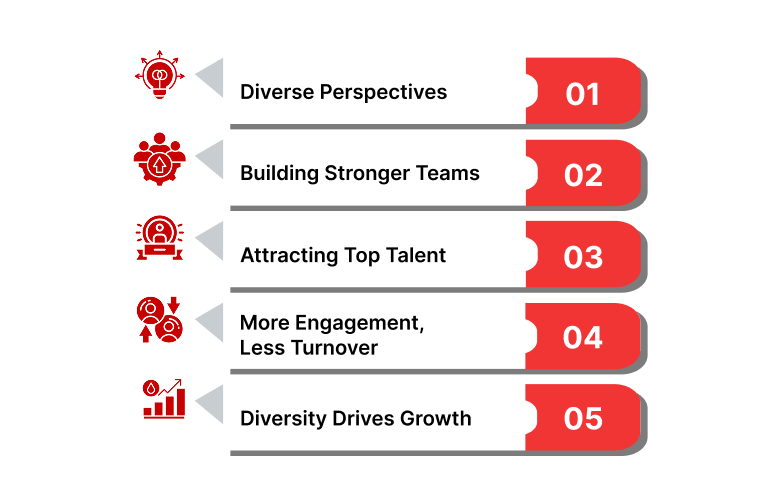
Diversity in tech isn’t just about doing the right thing, it’s about building teams that thrive.
In a world where innovation moves fast and client expectations shift even faster, diverse talent gives you the edge. Different backgrounds bring different ways of thinking and that’s where real breakthroughs begin.
1. Fresh Ideas Come From Varied Perspectives
When people think differently, solutions look different. Diverse teams ask better questions, challenge defaults, and come up with smarter answers.
That’s the kind of creativity that keeps your clients coming back.
2. Better Teams Build for More People
A team that reflects different life experiences naturally builds more inclusive products.
That means fewer blind spots, more empathy in the design, and better results for a broader audience.
3. A Brand That Attracts Top Talent
People want to work where they feel a sense of belonging. Companies that live and breathe inclusion attract the kind of talent that sticks around and tells their peers about it. That reputation is something job boards can’t buy.
4. More Engagement, Less Turnover
Inclusive teams don’t just work better, they work happier. When people feel respected, they show up with more energy, collaboration, and commitment.
That’s the kind of stability your clients count on.
5. Diversity Fuels Long-Term Growth
The most resilient teams aren’t built on sameness. They’re built on a mix of voices, strengths, and styles. When you build that kind of team, growth follows internally and for every client you serve.
So, how do you turn good intentions into great hires?
Let’s learn 14 practical strategies to make diversity hiring in tech real and repeatable.
Key Strategies to Enhance Diverse Hiring
Tim Cook, CEO of Apple, has been outspoken about the critical role diversity plays in innovation. He believes that diversity is directly linked to creating products that enrich lives. He shared,
“If you believe as we believe that diversity leads to better products, and we're all about making products that enrich people's lives, then you obviously put a ton of energy behind diversity the same way you would put a ton of energy behind anything else that is truly important.”
His approach shows that diversity isn’t an afterthought; it’s central to business success. For hiring managers, this means treating diverse hiring as a core mission, not just a checkbox.
Therefore, here’s how to make diversity hiring in tech consistent, scalable, and part of your competitive edge.
1. Write Inclusive and Accessible Job Advertisements
Job ads are your first chance to welcome diverse talent. The right words make all the difference.
- Use Clear, Welcoming Language: Keep language simple and inviting.
- Focus on Essential Skills: List only the must-have qualifications.
- Highlight Flexibility and Accessibility: Mention remote work and accommodations clearly.
- Avoid Biased Language: Use gender-neutral and unbiased terms.
- Structure for Easy Reading: Use bullet points and short paragraphs.
- Make Application Process Clear: Explain each step in plain terms.
2. Reevaluate Job Requirements and Qualifications
Sticking to rigid job criteria often blocks talented candidates from diverse backgrounds. Reexamining what truly matters can open doors to fresh potential.
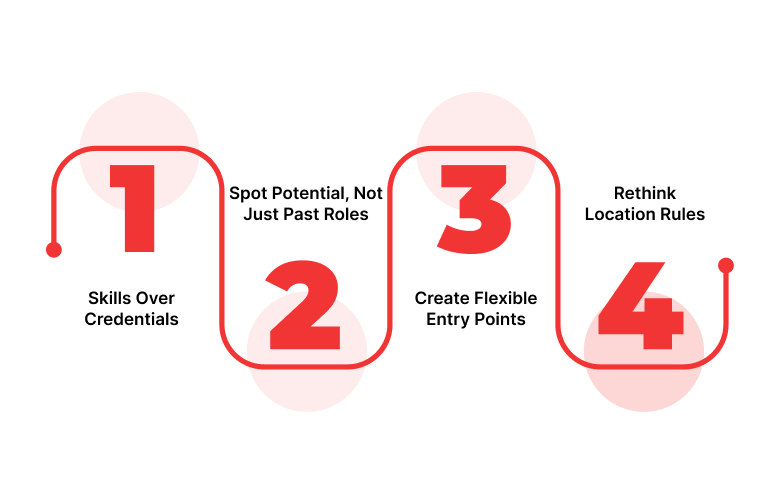
- Skills Over Credentials
Shift focus to what candidates can do, transferable skills and real achievements often trump formal qualifications.
- Spot Potential, Not Just Past Roles
Look for adaptability and eagerness to grow, not only direct experience.
- Create Flexible Entry Points
Design roles with varying levels or pathways to include non-traditional backgrounds.
- Rethink Location Rules
Remote work options can welcome candidates who can’t relocate, expanding your reach.
3. Set Clear Diversity and Inclusion Metrics
Clear, measurable goals give diversity efforts direction and power. Without them, progress can feel vague and slow. Use metrics as your compass to track success and refine your approach.
Set ambitious yet realistic targets and share these metrics openly with your clients and teams. This transparency fuels trust and continuous improvement.
Meeting diversity goals is only possible when hiring is both fast and accurate. That’s where support like Consultadd comes in. We offer pre-screened, ready-to-hire candidates screened for both skill and compliance, helping you reduce sourcing time and hire with confidence.
4. Use Diverse Interview Panels
Diversity in interview panels brings fresh viewpoints, cuts down bias, and shows candidates you’re serious about inclusion.
Why Diverse Panels Matter
Imagine uncovering insights you’d miss with a uniform panel. Different backgrounds bring different questions and perspectives. It leads to smarter, fairer hiring decisions.
Plus, candidates notice when they meet diverse voices. It builds trust and makes them feel genuinely welcome.
How to Build Your Panel
- Include people from varied backgrounds and roles.
- Rotate panel members regularly for fresh viewpoints.
- Train interviewers on inclusive and fair assessment.
5. Provide Diversity Training and Bias Awareness
Building a truly diverse team starts with awareness. Training helps your hiring teams spot hidden biases and build more inclusive hiring habits.
Why Bias Awareness Matters
Unconscious bias can silently block top diverse talent from getting a fair shot. Awareness training shines a light on these blind spots.
When hiring teams recognize their biases, decisions become clearer, fairer, and more aligned with company goals.
What Effective Training Looks Like
- Interactive sessions: Engage teams with real-life scenarios and role plays.
- Regular refreshers: Bias awareness isn’t a one-time task; it’s ongoing.
- Clear objectives: Focus on measurable goals like improved interview fairness.
6. Implement Blind Hiring and Structured Interviews
Bias in hiring can block top talent. Blind hiring and structured interviews create fairness and clarity.
7. Use AI and Technology to Reduce Bias
Harness AI to turn recruitment guesswork into precision. It creates a fairer, more level playing field.
How AI Minimizes Bias
- AI screens candidates based on skills only.
- Tools apply the same criteria to everyone.
- Data uncovers hidden bias trends.
8. Make the First Move to Offer Accommodations
Being proactive about accommodations isn’t just thoughtful, it’s powerful. It tells candidates they belong here.
Why This Matters
- Many candidates stay silent, fearing rejection or stigma.
- Candidates with disabilities often carry the emotional labor of self-advocating.
- When recruiters lead, it builds safety, trust, and loyalty from day one.
What Forward-Thinking Hiring Managers Do
- Include inclusion statements in every job posting.
Example: “Need accommodations? We’ve got you covered; just let us know.” - Train interviewers to ask sensitively and professionally.
Don’t wait for the candidate to speak up. - Create accommodation playbooks for clients.
Help them respond quickly and appropriately to requests.
What It Says About Your Brand
- You don’t just meet compliance, you lead with care.
- You treat inclusion as a baseline, not a bonus.
- You reduce friction in the hiring process for everyone.
Partnering with Consultadd takes this even further, handling everything from visa documentation to relocation and benefits, ensuring candidates stay engaged and feel supported at every step.
Pro Tip: Always offer before they ask. Think of accommodations like coffee at a meeting, offered, not earned.
9. Engage Diverse Employees for Referrals
Referrals aren't just about filling roles, they’re about shaping who gets the opportunity to show up.
- Ask clearly: Don’t wait for referrals, invite them with purpose.
“We’re seeking more voices like yours. Who should we know?” - Show the impact: Let employees know how their referrals shape the company.
Track and share hiring outcomes. - Reward equitably: Make sure bonuses aren’t tied only to executive-level hires.
Every referral should feel valued. - Spotlight success: Share stories of diverse hires that came through referrals.
It builds a referral culture.
Not sure if a staffing partner can help to engage with underrepresented talent? Our blog What to Expect When Working with a Staffing Agency: A Complete Overview dives into how the right agency adds real value, especially when inclusion is a hiring priority.
10. Promote the Organization’s Diversity Credentials
Candidates aren’t just looking for jobs, they’re looking for belonging. Show them they’ll find it here.
- Feature employee voices on your site and social platforms. Let diverse talents share their stories.
- Highlight DEI stats in job postings, e.g., “45% of our leadership identifies as BIPOC.”
- Showcase partnerships with minority-focused organizations and community groups.
- Mention inclusive benefits like mental health days, flexible hours, or neurodiverse hiring practices.
11. Launch Targeted Internship and Returnship Programs
Fresh starts are powerful. Whether it’s a student or someone re-entering the workforce, both crave opportunity.
Why These Programs Matter
- Internships open doors for early-career talent from underrepresented communities.
- Returnships reignite careers for parents, veterans, and professionals after a break.
- Candidates get a second chance, and you build a loyal, untapped talent pipeline.
- Staffing teams meet DEI goals, while reducing early attrition from mismatched hires.
For roles with flexible, project-based needs, Why C2C Contract Hiring Solutions Are Ideal for Modern Businesses explains how contract hiring supports returnships and internships effectively especially in tech environments.
12. Expand Sourcing to Diverse Talent Pools
The best talent isn’t always looking in the same places you are. To build truly diverse, high-performing teams, staffing agencies must go beyond the obvious. That’s where transformation starts.
How do you begin expanding your sourcing right now?
- When was the last time you reviewed your sourcing channels for diversity?
- Are your job descriptions inclusive and welcoming to all? Tools like Textio can help.
- Could you build partnerships with community groups or advocacy organizations?
- Are you sharing stories that show your success placing diverse candidates?
13. Engage with Professional Communities and Host Inclusive Events
Building genuine connections with professional communities isn’t just smart, it’s transformational. When hiring managers become active members, they open doors to rich, diverse talent pools and create lasting trust.
- Join diverse professional groups
Access untapped talent pools and expand your candidate reach. - Participate actively in online forums
Build trust and showcase your agency’s commitment to inclusivity. - Host events focused on inclusion
Create a welcoming space that attracts diverse candidates. - Partner with affinity groups
Strengthen relationships and enhance referral pipelines. - Offer mentorship sessions during events
Empower candidates and improve engagement. - Share success stories from diverse hires
Inspire confidence in your agency’s dedication to diversity.
14. Tracking and Measuring Diversity Efforts
Measuring diversity efforts turns good intentions into real, visible progress. It empowers you to prove impact and stay accountable.
Conclusion: Advancing Diversity in Tech Through Strategic and Inclusive Recruitment
Building diverse tech teams may feel overwhelming, but it’s your key to driving innovation and lasting impact. Staffing agencies that embrace inclusive recruitment don’t just fill roles, they become catalysts for real change.
Consultadd is your trusted partner in this transformation. With over 14 years in business and 5,000+ successful staffing engagements, we deliver top talent fast often within 24 hours. Our strong ties with universities and partnerships with industry leaders like Robert Half and Teksystems ensure you get access to a wide and diverse candidate pool.
Here’s how Consultadd elevates your diversity hiring efforts:
- Safe, reliable hires: Every candidate is thoroughly vetted for experience and compliance, giving you confidence from day one.
- Lower turnover risks: Our candidates are committed to long-term success, reducing costly disruptions.
- Seamless compliance: We handle visa issues, documentation, and regulatory requirements so you don’t have to.
- Continuous support: Post-placement, we stay engaged to ensure your hires thrive and grow.
- Dedicated 1:1 account managers: Personalized attention ensures your unique needs are met with precision.
- Proven track record: ~65 satisfied staffing companies and 100+ top candidates provided in the past year alone.
Start Strong With Consultadd
Working with an experienced partner like Consultadd ensures you hire smarter. From structured processes to real-time market insights, we help you avoid costly missteps and build teams that deliver from day one.
In a market where great tech talent is hard to find and harder to keep, your approach to staffing makes all the difference. Looking to build a future-ready tech team? Contact Us>>
Key Takeaways
- Diversity strengthens teams by bringing different perspectives that lead to better problem-solving, innovation, and business performance.
- Inclusive hiring requires intentional strategies, from writing unbiased job ads to using structured interviews and skills-based assessments.
- Expanding sourcing efforts helps organizations reach qualified candidates from underrepresented backgrounds and build stronger talent pipelines.
- Tracking diversity metrics ensures hiring efforts remain measurable, transparent, and continuously improve over time.
- Creating an inclusive candidate experience through accommodations, employee referrals, and supportive workplace practices improves both hiring and retention.
FAQs
Why is diversity hiring important in the tech industry?
Diversity hiring helps organizations build more innovative teams, improve decision-making, strengthen company culture, and create products that better serve diverse customers.
How can companies reduce bias during the hiring process?
Companies can use inclusive job descriptions, blind resume screening, structured interviews, AI-powered recruitment tools, and interviewer bias training to make hiring more objective.
What are the best ways to attract diverse tech talent?
Expand sourcing channels, partner with diverse professional communities, offer internships and returnships, encourage employee referrals, and clearly communicate your commitment to inclusion.
How do organizations measure the success of diversity hiring?
Success can be measured by tracking diversity hiring metrics, candidate pipeline diversity, hiring outcomes, retention rates, and overall workforce representation.
How can a staffing partner support diversity hiring?
A specialized staffing partner can provide access to diverse talent pools, pre-screen qualified candidates, reduce hiring time, ensure compliance, and help organizations build more inclusive teams.

Biggest Challenges Faced by Recruiters and Solutions
Introduction
How often do you feel like you’re racing against the clock, trying to find the perfect candidate before your competitors? As a recruiter or staffing manager, the pressure is relentless.
Your clients are counting on you to find the perfect candidate, and they want it yesterday. The stakes are high, and every delay in the hiring process feels like a missed opportunity.
But here’s the thing: In today’s fast-paced recruitment world, it’s not just about filling a seat; it’s about doing so quickly and precisely. The demand for top talent is at an all-time high, and the competition? Fiercer than ever.
So, how do you stay ahead and give your clients the best candidates before someone else does?
In this article, we’ll tackle the biggest challenges recruiters face and provide practical, actionable solutions to accelerate your hiring process while maintaining high-quality standards.
Ready to dive in and conquer the recruiting race? Let’s get started!
TL;DR
- Attract the Right Talent: Focus on employer branding, job boards, and employee referrals to build a strong talent pool.
- Overcome Talent Shortages: Build proactive relationships, expand your search to passive and international talent, and tap into niche talent pools.
- Streamline the Hiring Process: Shorten interview rounds, automate compliance, and set clear timelines to reduce time-to-hire.
- Manage Candidate Expectations: Communicate clearly, provide regular feedback, and align job realities with candidate expectations.
- Retention Strategies: Offer career development, work-life balance, and regular check-ins to reduce turnover.
1. Attracting the Right Talent
Recruiting the best talent starts with a strong foundation. But how do you attract the candidates who truly fit? The process of attracting the right talent has changed.
Key Strategies for Attracting Top Talent:
- Employer Branding: Showcase Your Company's Culture, Values, and Vision.
- Job Boards & Social Media: Maximize exposure by using relevant job platforms and social channels.
- Employee Referrals: Encourage current employees to refer to top talent, as they know the job requirements best.
By ensuring you’re attracting the right candidates from the beginning, you can focus your time and efforts on high-quality applicants. This not only reduces wasted time in the hiring process but ensures you are choosing from the best talent available.
2. Talent Shortages and High Competition
In sectors like tech, talent shortages can be a real pain point. With fewer qualified candidates available, you face the double challenge of speed and quality.
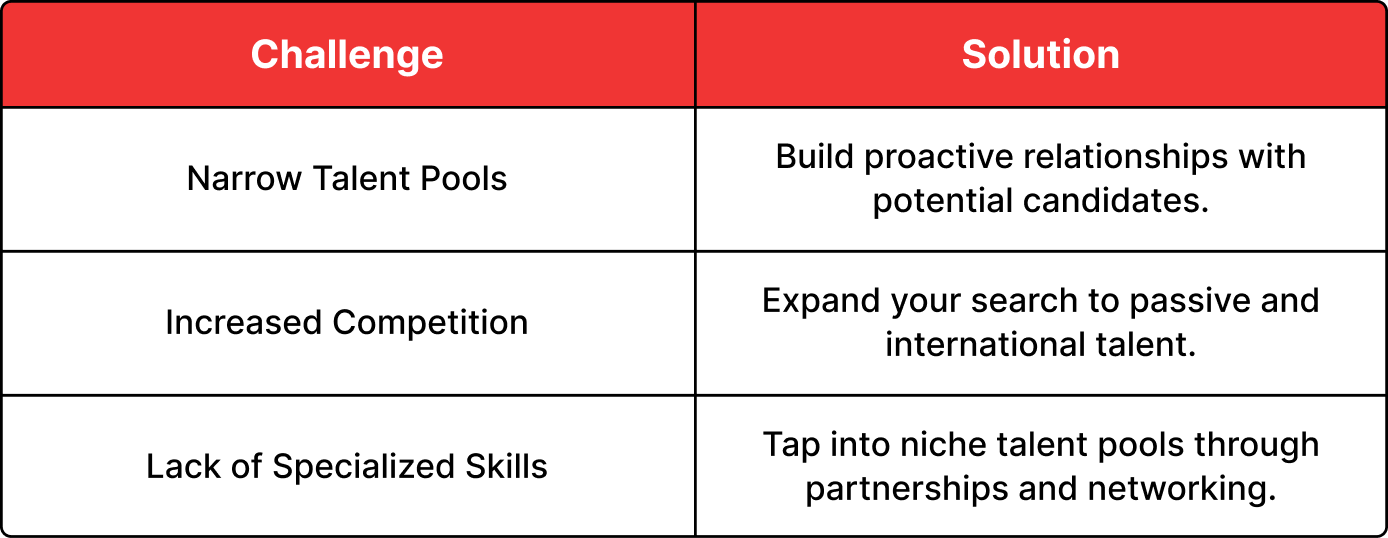
A proactive approach ensures that when talent is scarce, you're not scrambling but are already prepared with candidates ready to jump in.
3. Time-to-Hire Delays
Challenge: Delays in the hiring process lead to missed opportunities and slow client growth.
Solution: Streamlining the hiring process is essential. Shortening interview rounds, eliminating redundant steps, and setting clear timelines ensure decisions are made faster, and candidates are not left hanging. Time is money, and the quicker you move, the better your chances of securing top talent before someone else does.
Want to improve your hiring funnel and optimize every step of your recruitment process? Learn how to master your recruiting funnel strategy here and ensure you're attracting the right candidates efficiently while maintaining high quality.
4. Managing Candidate Expectations
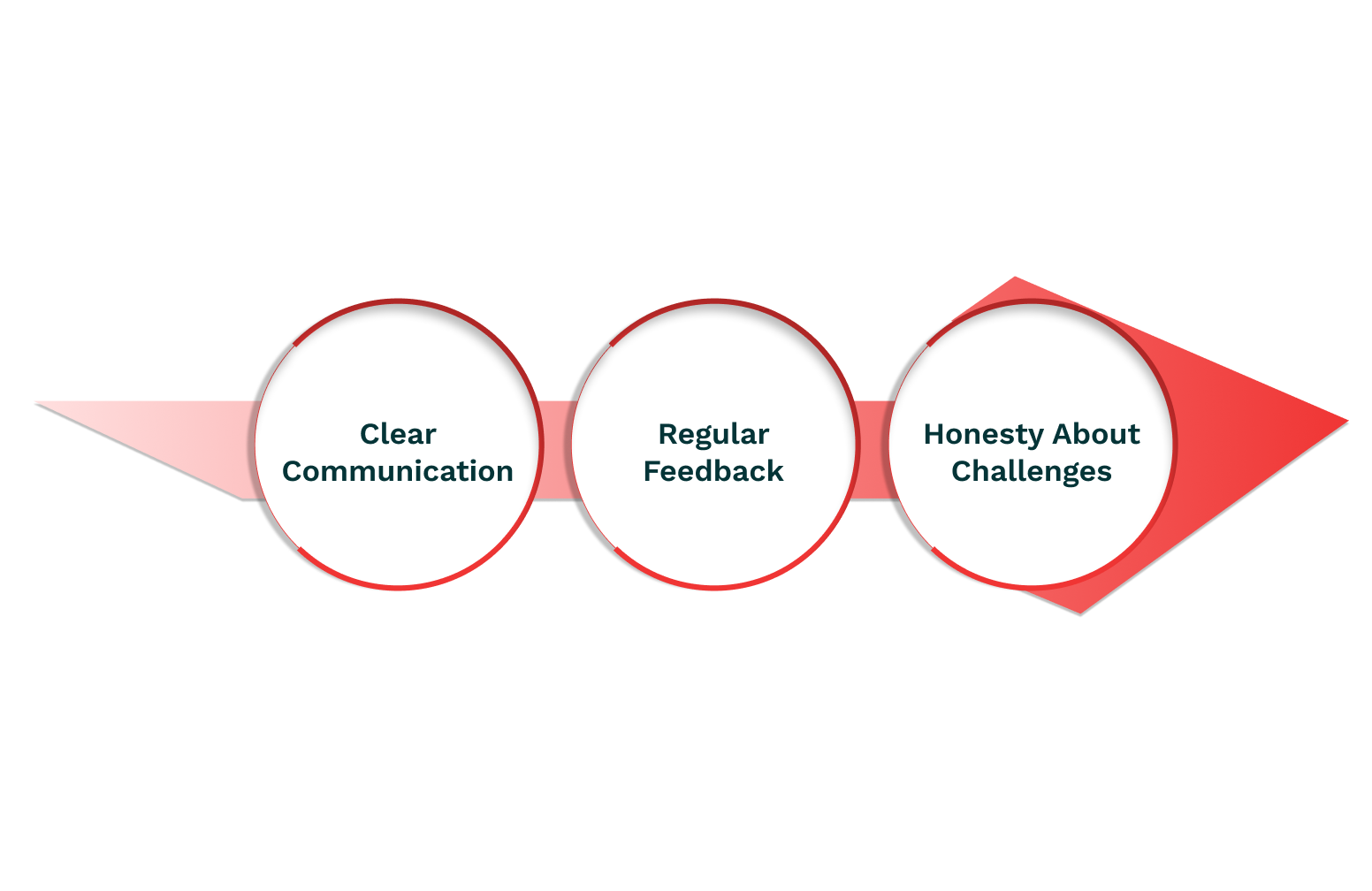
Challenge: Misalignment between candidate expectations and job realities can lead to dissatisfaction post-placement.
Solution:
- Clear Communication: Be upfront about the role, responsibilities, and company culture.
- Regular Feedback: Provide constructive feedback to keep candidates engaged and informed.
- Honesty About Challenges: Clearly communicate to candidates what to expect, particularly regarding job challenges.
Why Is It Important? Managing expectations minimizes the risk of candidates dropping out after placement and ensures a better long-term fit.
5. Retention Challenges: How to Keep Top Talent
Q1: Why is retention such a challenge for recruiters?
Retention is about more than just placing candidates; it’s ensuring they stay long-term. A high turnover rate can disrupt team dynamics and hurt the client’s business, making retention a top priority.
Q2: What are some effective retention strategies?
- Career Development: Offer opportunities for growth and career advancement within the client’s organization.
- Work-Life Balance: Emphasize the importance of flexible work options and personal time to improve employee satisfaction.
- Regular Check-Ins: Stay engaged with candidates even after placement to address any concerns early on.
Q3: Why should recruiters focus on retention?
Focusing on retention not only reduces turnover but also builds stronger relationships with your clients. When your candidates stay longer, it reflects well on you as a recruiter and ensures consistent success for your client’s teams.
Q4: How does retention contribute to long-term client success?
By ensuring candidates remain in the role and thrive, you help build a stable, committed workforce for your client. This stability can lead to better performance, team morale, and reduced recruitment costs in the future.
Focusing on retention strategies benefits both the recruiter and the client by fostering long-term success.
6. Navigating Compliance and Legal Complexities
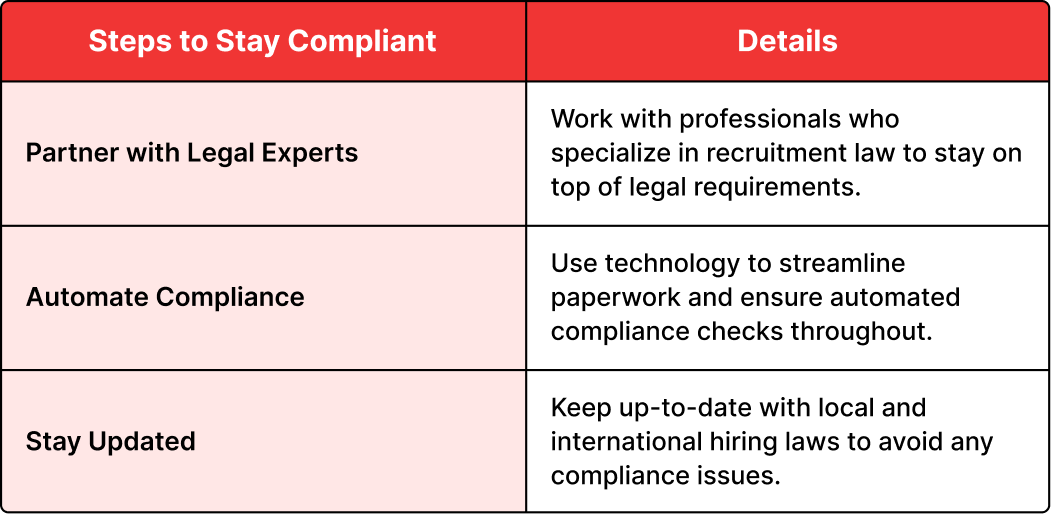
This approach ensures a smooth recruitment process while protecting you and your clients from legal risks.
Want to streamline your hiring process and eliminate the hassle of compliance and delays?
Consultadd offers a pre-vetted pool of highly skilled professionals, ensuring a seamless hiring process that meets your client’s needs quickly and effectively. Contact Consultadd today to enhance your recruitment strategy.
7. Candidate Drop-Offs and Ghosting
We’ve all been there, candidates who go silent or withdraw during the hiring process. This disrupts your recruitment flow and can waste valuable time. Keeping candidates engaged throughout the process can significantly reduce the risk of ghosting and improve candidate retention.
Pro Tip:
- Frequent Communication: Keep candidates engaged with regular updates to maintain their interest.
- Set Clear Expectations: Let them know when decisions will be made and what the next steps are.
By staying proactive and transparent with your candidates, you can minimize drop-offs and ensure a smoother hiring process.
8. Managing Multiple Clients and Expectations
Handling multiple clients at once can overwhelm even the most seasoned recruiters. Balancing different needs while ensuring each client gets the attention they deserve requires a strategic approach.
How to Manage Client Expectations?
- Use Project Management Tools: Track multiple clients’ needs and keep your processes organized.
- Dedicated Account Managers: Assign specific managers to ensure personal attention to each client.
- Clear Communication: Establish realistic expectations and timelines upfront.
Did You Know? By organizing your workflow and managing client expectations from the beginning, you’ll streamline your process and ensure high-quality service. This approach helps you keep your clients happy and your recruitment process efficient.
9. Adapting to Remote Work Trends
Challenge: Remote work is shifting hiring dynamics, and understanding the new requirements for virtual recruitment is essential.
Solution: Embrace the remote shift by offering hybrid or fully remote options, and invest in virtual interview tools. Providing flexibility helps you access a wider talent pool and meet candidate expectations, enhancing satisfaction and reducing drop-offs.
Pro Tip: Ensure your recruitment process is equipped with the right technology to host virtual interviews, screen candidates effectively, and facilitate smooth onboarding.
10. Improving Candidate Engagement
Recruitment is not just about filling roles, it's about building relationships. But how can you keep candidates engaged and committed throughout the recruitment journey when distractions and doubts arise?
What You Can Do:
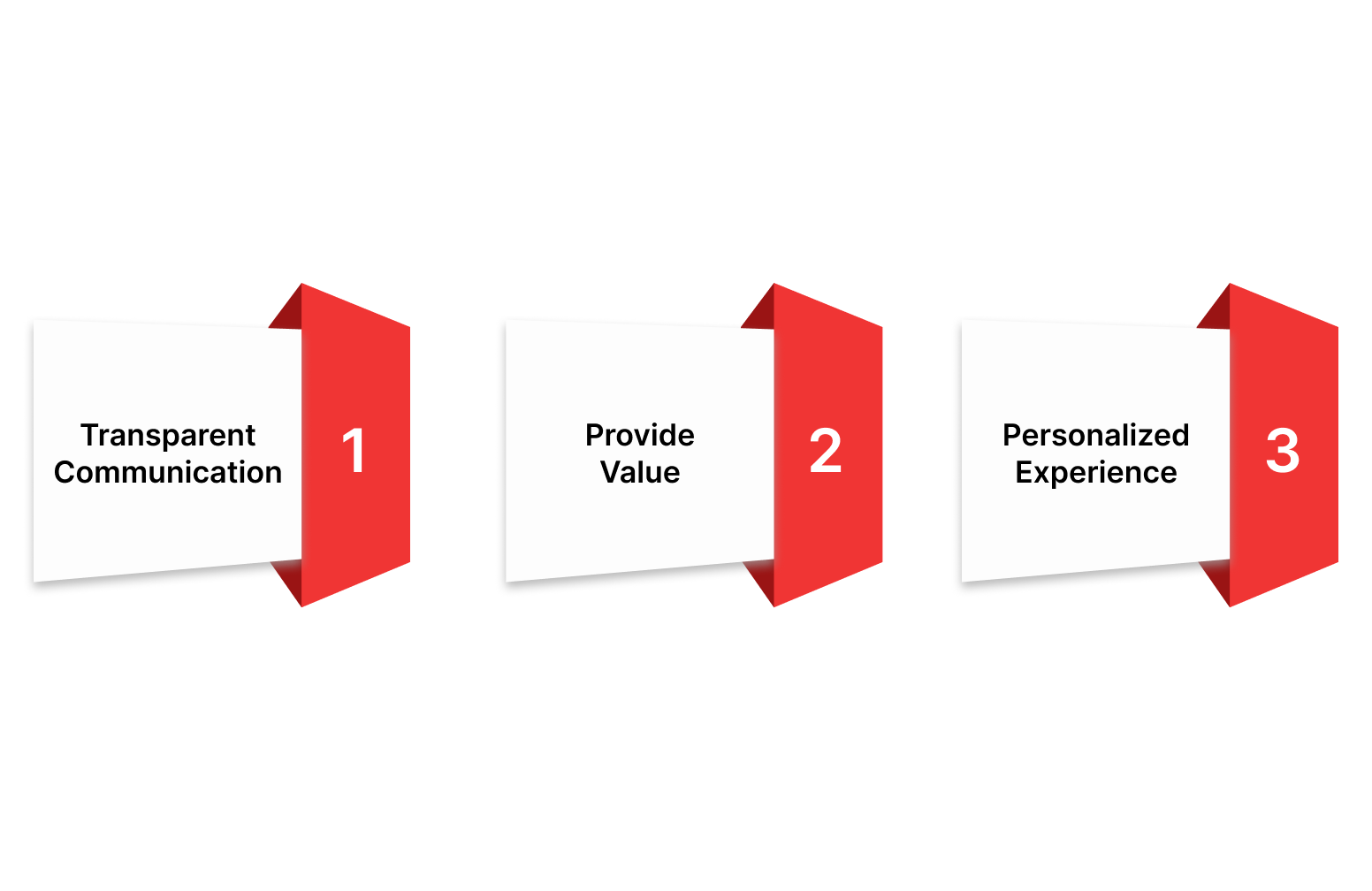
- Transparent Communication: Keep candidates in the loop at every stage, whether it’s about next steps or interview feedback.
- Provide Value: Make the process enjoyable by offering career advice or insights into your company’s culture.
- Personalized Experience: Treat each candidate as a unique individual by tailoring your communication and showing interest in their aspirations.
Did You Know? Candidates who feel valued and informed are 4 times more likely to stay engaged and complete the hiring process.
Want to ensure you're evaluating not just technical skills but also critical interpersonal qualities? Learn why soft skills matter in the hiring process here and how they can enhance your hiring decisions.
Conclusion: Overcome Your Recruiting Challenges with the Right Strategy
Recruiting in 2025 presents numerous challenges, but with the right approach, these challenges can be overcome.
From talent shortages and high competition to time-to-hire delays and managing candidate expectations, the key is adopting strategies that streamline your process and improve efficiency.
Here’s what you can achieve with Consultadd:
- Faster, more reliable hires: Our candidates are thoroughly vetted, so you can place top talent with confidence.
- Minimized turnover risk: We connect you with candidates who are motivated for long-term growth and success.
- Effortless compliance: We handle everything from work authorization to 401(k), saving you time and effort.
- Unmatched speed: Our talent is sourced within 24 hours, meaning you can fill roles faster.
- Dedicated support: Our 1:1 account managers ensure seamless support from start to finish.
- Access to top talent: With over 5,000 successful staffing engagements, we’re trusted by staffing leaders.
By embracing these solutions, you can not only overcome the challenges faced by recruiters today but also transform your process to stay ahead of the competition and deliver superior results.
Want to optimize your recruitment process and reduce hiring delays? With Consultadd, you can access a pre-vetted pool of top-tier professionals who perfectly align with your clients' needs. Contact Consultadd today to elevate your hiring strategy and streamline your recruitment process.
Start Strong With Consultadd
Working with an experienced partner like Consultadd ensures you hire smarter. From structured processes to real-time market insights, we help you avoid costly missteps and build teams that deliver from day one.
In a market where great tech talent is hard to find and harder to keep, your approach to staffing makes all the difference. Looking to build a future-ready tech team? Contact Us>>
Key Takeaways
- Build a stronger talent pipeline through employer branding, employee referrals, niche job boards, and proactive candidate sourcing instead of relying only on active applicants.
- Reduce time-to-hire by simplifying interview stages, automating administrative tasks, and maintaining clear communication with candidates and hiring managers.
- Stay competitive during talent shortages by engaging passive candidates, expanding into new talent markets, and developing long-term talent communities before roles open.
- Improve candidate experience and retention with transparent communication, realistic job expectations, timely feedback, and ongoing engagement after placement.
- Protect your clients and business by prioritizing compliance, preventing candidate drop-offs, adapting to remote hiring trends, and using structured processes that deliver faster, higher-quality placements.
FAQs
What is time-to-hire, and why is it important?
Time-to-hire is the period from posting a job to when a candidate accepts the offer. Reducing this time is crucial to securing top talent quickly and reducing missed opportunities.
How can I attract the best candidates?
Focus on employer branding, utilize job boards and social media effectively, and encourage employee referrals to bring in high-quality candidates.
How can I overcome talent shortages in competitive sectors?
Build relationships with passive candidates, expand your search to international talent, and tap into niche networks to fill roles faster.
What strategies can help improve candidate retention?
Offering career development, work-life balance, and regular check-ins with candidates can help ensure they stay longer and succeed in their roles.
How can Consultadd help streamline the hiring process?
Consultadd provides a pre-vetted pool of top-tier candidates, fast sourcing within 24 hours, compliance support, and dedicated account managers to ensure a seamless and efficient recruitment process.
The Ultimate Guide for Technical Recruitment Success
Introduction
Hiring for technical roles is not the most difficult task. But hiring the right talent, quickly and consistently, presents a different challenge. You can try everything yet still struggle to identify the right fit.
The difficulty is not merely a lack of available talent. More often, the real obstacles are unclear role definitions, inappropriate expectations, generic approach to outreach, and ineffective screening methods. Many organizations treat speed and quality as mutually exclusive when recruiting for technical roles. In reality, a well-structured hiring strategy can and should deliver both.
This is where most hiring strategies fall short, and where yours can stand out.
This blog is your guide for technical recruitment that actually delivers results. Whether you're scaling a startup or hiring for enterprise systems, this guide gives you the clarity to act and hire smarter. Let’s begin.
TL;DR
- Technical recruitment requires a specialized approach that goes beyond resumes, focusing on technical skills, problem-solving ability, and long-term team fit.
- Successful hiring starts with a structured process, including clear role mapping, targeted sourcing, practical technical assessments, and a strong candidate experience.
- Avoid common hiring mistakes like generic job descriptions, lengthy hiring cycles, overreliance on resume keywords, and poor collaboration between recruiters and technical teams.
- Speed and quality can coexist by aligning hiring stakeholders, using real-world technical evaluations, shortening feedback loops, and adopting flexible hiring models when needed.
- Partnering with experienced technical staffing experts helps companies access pre-vetted talent, reduce time-to-hire, and build scalable, high-performing engineering teams.
What is Technical Recruitment and Who is a Technical Recruiter?
Technical recruitment refers to the process of sourcing, screening, and hiring candidates specifically for technology-focused roles, such as software engineers, DevOps specialists, data scientists, and systems architects. Unlike general recruitment, technical hiring involves understanding complex skill sets, evolving tech stacks, and the unique dynamics of engineering teams.
A technical recruiter is a specialized hiring professional who bridges the gap between technical requirements and talent acquisition. They don’t just post job ads; they:
- Understand programming languages, frameworks, and infrastructure tools.
- Communicate effectively with engineering managers and hiring stakeholders.
- Evaluate both hard skills (e.g., coding, systems design) and soft skills (e.g., team collaboration, adaptability).
- Actively source from non-traditional channels like GitHub, Stack Overflow, and tech forums.
Why Technical Recruitment is Different

Hiring for technical roles isn’t just about filling seats but about building future-ready teams with specialized skill sets. Here's why technical hiring stands apart:
- Skill Precision Over Job Titles: A backend engineer in Java is very different from one in Node.js. Thus, role clarity is crucial.
- Constantly Evolving Tools & Tech: Technologies change fast. Your hiring strategy needs to keep pace.
- Longer Time-to-Hire: Technical roles take an average of 48 days to fill, delaying product cycles and team momentum.
- Higher Turnover Risks: Poor matches result in rapid exits. Misalignment costs time, money, and morale.
- Niche Talent Pools: Top tech talent isn’t actively applying; they’re contributing on GitHub or chatting on Discord.
- Strategic Hiring Required: A wrong hire can stall months of work. You need a structured, informed process.
Partner with Consultadd to streamline your technical recruiting and find top-tier talent.
How Technical Recruitment Works?
While every organization tailors its approach to suit its goals, most successful hiring cycles follow a clear sequence of steps. Here’s how the technical recruitment process typically unfolds:
- Understanding the Job Requirements: Hiring teams must define the skills, experience, and qualifications required for the role. This includes technical proficiencies, soft skills, and alignment with business goals.
- Sourcing Candidates: Leverage a combination of job boards, LinkedIn, internal referrals, tech communities, and niche platforms like GitHub or Stack Overflow. The key is reaching both active and passive candidates through the right channels.
- Screening Resumes: Evaluate applications to shortlist those who closely match the defined criteria. At this stage, pay attention to relevant experience, project scope, technical stack familiarity, and any red flags or gaps.
- Initial Interviews: Invite shortlisted candidates for a preliminary phone or video interview. This helps assess their communication skills, basic technical understanding, and overall cultural fit. It also gives candidates a chance to understand the role and company better.
- Technical Assessments: To validate capabilities, assign practical tests, such as coding challenges, system design tasks, or debugging scenarios. These assessments offer insights into problem-solving ability and technical depth.
- Final Interviews: Top-performing candidates progress to second-round or in-person interviews with hiring managers or technical leads. These sessions dive deeper into technical expertise, collaboration style, and long-term potential within the team.
- Reference Checks: Before making a final decision, connect with former managers or colleagues to verify employment history, assess work ethic, and validate strengths or concerns that emerged during interviews.
- Job Offer: Once the right candidate is identified, an offer is extended with clear details about salary, benefits, role expectations, and start date.
- Onboarding: This includes setting up tools, introducing team members, providing access to training materials, and offering early support to help them ramp up quickly.
Moving ahead, let’s look at the five pillars that can strengthen your technical hiring strategy and make it truly scalable.
The 5 Pillars of a Successful Technical Hiring Strategy

Technical hiring works best when it's built on structure, not shortcuts. You’re not just hiring talent; you’re assembling a team that can ship, scale, and solve real problems. These five pillars form the foundation of a high-impact hiring strategy—one that helps you hire right the first time.
1. Precision in Role Mapping
Technical hiring starts with clarity. Don’t just go by job titles—define exactly what the role needs to achieve and the skills required. Whether it’s cloud infrastructure or feature development, every goal needs specific capabilities. Clear talent mapping ensures internal alignment and avoids mismatched hires.
2. Smart Talent Sourcing
Great sourcing means knowing where your ideal candidates are—not just on job boards, but in active communities like GitHub, Stack Overflow, or niche Slack groups. Tailor your outreach to speak to what matters: the tech stack, career growth, and culture. The right message in the right place brings better results.
3. Screening for Skills, Not Jargon
Jargon doesn't build software, skills do. Focus on role-specific assessments that mirror real work. Ask developers to code, DevOps candidates to deploy, and architects to think through systems. Use tools to help, but make final decisions based on output, not keyword matches.
4. Candidate-Centric Experience
Your process is part of your brand. Delays, unclear steps, or poor communication can turn off top candidates fast. Create a smooth experience with quick responses, consistent feedback, and clear timelines. Post-offer, keep engagement high to ease onboarding and build early loyalty.
5. Optimize, Scale, Repeat
Hiring is never static. As your team grows, refine your process using real metrics like cost-per-hire, source effectiveness, and candidate quality. Use simple dashboards to track progress and make data-informed adjustments. What works for five hires won’t scale to fifty, so iterate constantly.
Transform your tech recruitment process with Consultadd’s expert staffing solutions.
Next, let’s look at the most common hiring mistakes and how you can avoid them before they cost you top talent.
Common Mistakes Companies Make And How You Can Avoid Them
Even the best hiring teams slip up. Speed, pressure, and competition can push you toward easy shortcuts. But when it comes to tech hiring, those shortcuts cost you the right people.
In this section of the guide for technical recruitment, you’ll see the most common mistakes and exactly how to avoid them.
1. Using Copy-Paste Job Descriptions
Recycling old job descriptions or pulling templates off the internet results in vague, generic posts that fail to resonate with serious tech talent. Developers want to know what they’ll work on, not read buzzwords like “rockstar coder” or “ninja.” A misaligned description attracts the wrong applicants or worse, drives away the right ones.
What to Do: Customize each listing to the specific role and project. Outline real responsibilities, the tech stack, and how the work contributes to company goals. Use input from your engineering team to ensure the description is accurate and relevant.
2. Expecting Too Much from Junior Talent
Hiring junior candidates but expecting them to operate like seasoned engineers is a recipe for failure. Without proper guidance, junior hires can get overwhelmed, make costly mistakes, or leave prematurely due to stress and lack of support.
What to Do: Accurately define the level of experience required. For junior hires, offer mentorship opportunities, structured onboarding, and manageable tasks. Treat them as long-term investments, not quick fixes.
3. Letting the Hiring Process Drag
A drawn-out hiring cycle with unclear steps or delayed communication sends the wrong signal to candidates. In-demand professionals often juggle multiple offers, and slow responses make your company appear indecisive or unorganized.
What to Do: Create a defined hiring process with clear stages and timelines. Assign accountability for each step and ensure fast, meaningful feedback. Even a timely “no” is better than silence. It shows professionalism and respect.
4. Ignoring Cultural Fit During High-Growth Phases
When scaling fast, it’s tempting to prioritize technical ability and skip soft-skill evaluations. But culture mismatches, differences in work style, communication, or values can derail team cohesion and affect long-term performance.
What to Do: Define your team’s core values and collaboration style, then assess for cultural alignment during interviews. Use behavioral questions and team-based scenarios to evaluate how a candidate might integrate into your environment.
Unlock your recruiting potential with Consultadd's expert technical staffing solutions.
5. Relying Too Heavily on Resume Keywords
Filtering candidates strictly by keywords like “Java,” “Python,” or “5+ years” can overlook strong contenders who don’t use the exact phrasing but have real skills. This approach often favors flashy resumes over real capability.
What to Do: Look beyond checkboxes. Prioritize practical skills through coding challenges, project reviews, or technical interviews. Stay open to non-traditional backgrounds—problem-solving ability often outweighs pedigree.
6. Not Involving Technical Teams Early
When recruiters handle hiring alone without input from the engineering team, it often leads to role mismatches. Candidates may meet HR criteria but fail to deliver on technical expectations, resulting in frustration on both sides.
What to Do: Involve technical leads from the start in writing job descriptions, screening resumes, and shaping interview questions. Their insights ensure a tighter match between candidate skills and real-world needs.
7. Skipping Technical Assessments or Using Poor Ones
Some companies either skip technical assessments altogether or use irrelevant, outdated, or overly academic ones. This fails to measure the candidate’s real-world capabilities and can either let underqualified candidates through or drive strong ones away due to frustration.
What to Do: Use assessments that reflect actual work the candidate will be doing, such as debugging tasks, architecture reviews, or building small features. Keep them time-bound, relevant, and respectful of the candidate’s time.
8. Not Selling the Role or Company Effectively
Technical talent is in high demand, and companies often forget they’re not just evaluating candidates; the candidates are evaluating them too. If you don’t clearly communicate the role’s value, company mission, or growth opportunities, you risk losing top talent to more compelling offers.
What to Do: Train interviewers to “sell” the opportunity authentically. Share meaningful details about the team, tech stack, challenges, and long-term vision. Candidates want to see where they can grow and make an impact.
9. Ignoring Candidate Experience
Clunky application portals, delayed responses, and robotic communication give candidates a negative impression, even before the interview begins. This damages your employer brand and can turn away quality applicants before you ever meet them.
What to Do: Make the application process seamless. Acknowledge applications, keep candidates informed, and personalize communication where possible. A strong experience, even for rejected candidates, boosts your reputation in the talent market.
Most of these mistakes come from rushing or relying too much on outdated processes. Avoiding these can help you see better hiring results.
How to Build a High-Performing Tech Team Fast
Speed is critical in tech hiring. But if you move too fast, you risk hiring the wrong fit. It doesn’t have to be that way. This part of the guide for technical recruitment focuses on how to build a strong tech team quickly, without compromising on standards.
Speed vs. Quality Doesn’t Have to Be a Trade-Off
Every business wants to hire quickly. But when hiring tech talent, rushing in can backfire. You need someone who can build, scale, or secure core systems. Without proper screening or alignment, hires fall short, especially in high-impact roles like DevOps, backend, or data engineering.
Moving faster without sacrificing quality starts by rethinking the hiring flow.
Critical Success Factors
Want to hire better, faster, and consistently? These four factors make the difference.
1. Clear Requirements and Team Alignment
Ambiguity slows hiring. When managers aren’t aligned on what they need, recruiters chase the wrong profiles. Define the must-haves and deal-breakers early.
Create a hiring scorecard. Agree on stack, experience level, and soft skills. This helps avoid friction later in the funnel.
2. Smart Sourcing and Targeted Outreach
You won’t find the best engineers by scrolling LinkedIn endlessly. Technical talent often hangs out in specialized spaces like GitHub, Stack Overflow, Reddit threads, and Discord channels.
We also engage passive candidates through reputation-based outreach. They may not be actively job-hunting, but they’re open to the right offer.
Accelerate your tech hiring with Consultadd's tailored recruitment strategies.
3. Real-World Technical Screening
The wrong assessments kill momentum. Tricky brain teasers or irrelevant questions drive candidates away. Instead, assess how they’d solve problems your team actually faces.
We focus on practical tasks: writing code, reviewing architectures, or designing for scalability. This helps you see how they think, not just what they know.
Every candidate submitted by Consultadd goes through this vetting first. You get engineers who’ve already proven their ability to deliver.
4. Fast Feedback Loops and Decision-Making
Speed to hire isn’t just about sourcing. It’s about how fast you move after interviews begin. Delayed feedback loses top talent.
We recommend setting internal SLAs: 24 hours for feedback, 48 hours for decision-making. This keeps candidates engaged and ensures momentum.
Consultadd’s recruiters help you manage this process end-to-end, so nothing stalls.
Bonus Tip: Use a Hybrid Hiring Model
One size doesn’t fit all. Sometimes you need full-time engineers. Other times, short-term contractors or remote developers work better.
Mixing permanent, contract, and contract-to-hire roles gives you agility without bloating your team.
For example, if you're scaling for a product launch, contract engineers help you move quickly without long-term overhead. If they perform well, convert them later.
Consultadd supports this model, providing vetted candidates across all engagement types.
Results You Can Expect:
- 30–50% reduction in time-to-hire
- Improved retention thanks to better alignment and onboarding
- Immediate productivity with ready-to-deploy contract talent
This ensures you hire better, faster, and smarter.
Consultadd is your go-to partner for filling your tech roles with top talent, fast!
Start Strong With Consultadd
Working with an experienced partner like Consultadd ensures you hire smarter. From structured processes to real-time market insights, we help you avoid costly missteps and build teams that deliver from day one.
In a market where great tech talent is hard to find and harder to keep, your approach to staffing makes all the difference. Looking to build a future-ready tech team? Contact Us>>
Key Takeaways
- Technical hiring is different from general recruitment because it requires a deep understanding of evolving technologies, specialized skill sets, and engineering team dynamics.
- A successful hiring strategy is built on five core pillars: precise role mapping, smart sourcing, skills-based screening, an excellent candidate experience, and continuous process optimization.
- Common recruitment mistakes are avoidable. Tailored job descriptions, practical technical assessments, early involvement from engineering teams, and efficient communication significantly improve hiring outcomes.
- Building high-performing tech teams requires balancing speed with quality. Clear hiring criteria, targeted outreach, practical assessments, and fast decision-making reduce hiring delays without compromising talent quality.
- A flexible hiring strategy including permanent, contract, and contract-to-hire models—helps organizations scale efficiently while meeting changing business and project needs.
FAQs
What is technical recruitment?
Technical recruitment is the process of sourcing, evaluating, and hiring professionals for technology-focused roles such as software engineering, DevOps, cloud computing, cybersecurity, and data science. It requires assessing both technical expertise and team fit.
What does a technical recruiter do?
A technical recruiter works closely with hiring managers to source qualified candidates, understand technical requirements, screen applicants, coordinate interviews, and help companies hire engineers and other IT professionals efficiently.
Why is technical recruitment more challenging than general hiring?
Technical hiring involves niche skill sets, rapidly changing technologies, competitive talent markets, and longer hiring cycles. Recruiters must accurately evaluate specialized technical capabilities while providing a strong candidate experience.
What are the best practices for hiring technical talent?
Successful technical hiring includes defining clear role requirements, sourcing candidates through specialized channels, using practical technical assessments, involving engineering teams throughout the process, and maintaining fast, transparent communication.
How can companies reduce time-to-hire for technical roles?
Organizations can shorten hiring timelines by aligning stakeholders early, creating structured interview processes, providing prompt interview feedback, maintaining talent pipelines, and partnering with specialized technical staffing firms.
What should companies look for beyond technical skills?
In addition to technical expertise, employers should evaluate communication skills, problem-solving ability, adaptability, collaboration, learning mindset, and cultural alignment to ensure long-term success within the team.
When should companies consider working with a technical staffing partner?
A technical staffing partner is valuable when companies need to scale quickly, fill specialized roles, access pre-vetted talent, reduce recruitment workload, or hire for contract, contract-to-hire, or permanent technical positions more efficiently.

How to Hire the Best Software Engineers
Introduction
You’re still facing the same challenge: finding software engineers who don’t ghost, flake, or disappear mid-process.
You’re not alone.
The demand for strong technical talent is rising fast, with software roles projected to grow 17% by 2033, adding over 327,000 new openings. That means more competition, fewer qualified candidates, and higher stakes for every hire.
But hiring today isn’t just about moving fast. It’s about making the right call. You need engineers who are technically excellent, culturally aligned, and able to contribute from day one.
To make that happen, your hiring strategy needs to evolve beyond job boards, basic filters, and reactive recruiting.
In this article, we’ll explore a smarter, more strategic approach to find only the best software engineers.
TL;DR
- Finding software engineers requires speed, precision, and cultural fit amid fierce competition.
- Hiring success depends on clear roles, impact-driven descriptions, and proactive sourcing beyond job boards.
- Skills-based assessments and behavioral interviews ensure ability and team fit, reducing mis-hires and improving retention.
- Fast offers and structured onboarding build trust and strengthen long-term engineer commitment.
Why a Strategic Approach to Find Software Engineers?
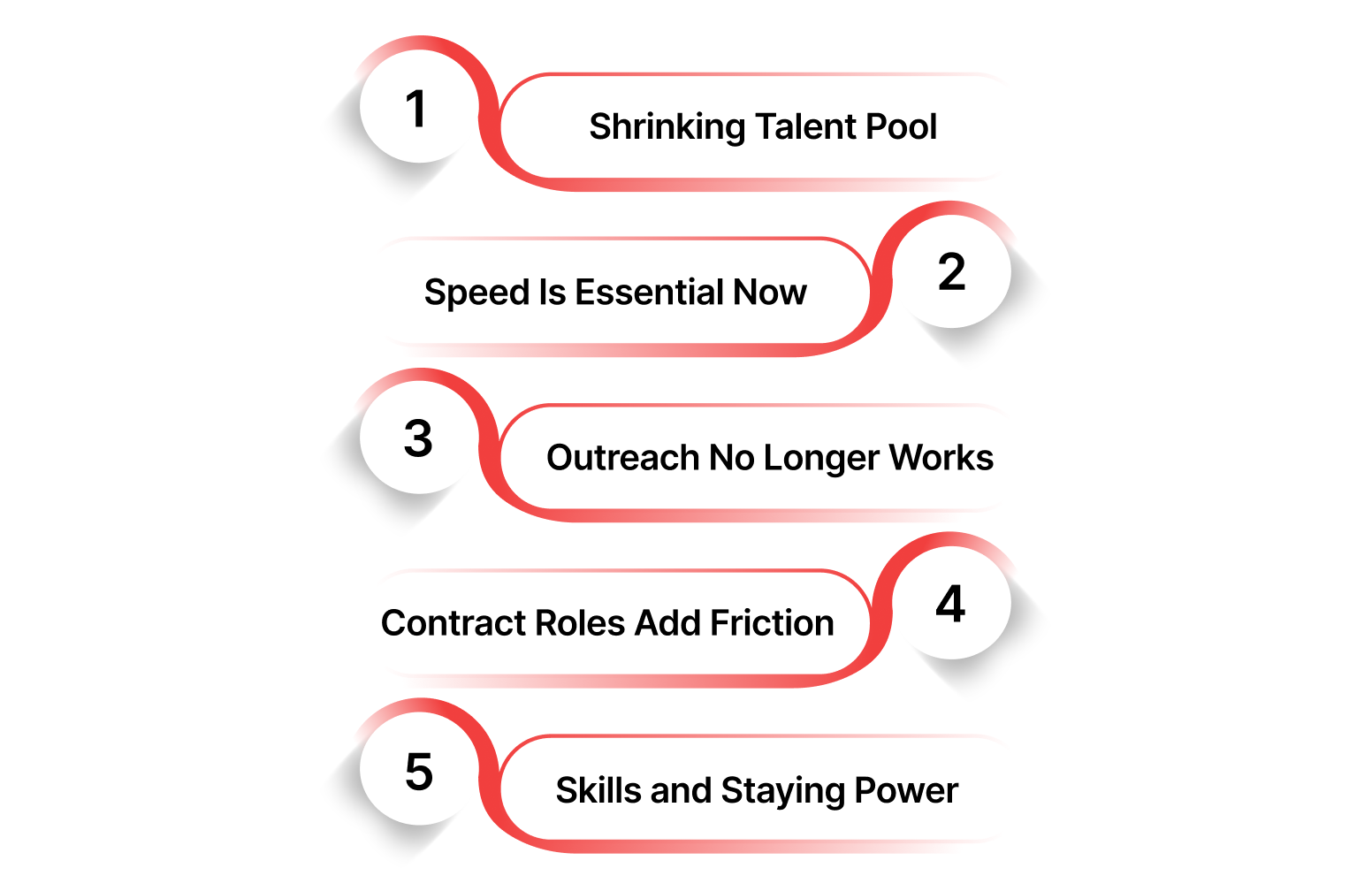
Hiring today is no longer about who responds, it's about who’s still available when you do.
A quick post on a job board won’t cut it anymore. The best engineers are gone before they even hit “apply.” Here’s why you need a sharper, faster, and more strategic approach:
1. Talent Pool Is Shrinking
- Demand exceeds supply, especially for cloud, DevOps, and full-stack engineers.
- Top talent isn’t on job boards, they’re handpicked before roles are public.
2. Speed Is a Dealbreaker
- Hiring cycles are tightening. Delays mean losing out every time.
- Candidates expect fast, respectful communication. A well-run process builds trust and increases acceptance rates.
3. Generic Outreach Doesn’t Work Anymore
- Personalization matters. Relevance matters more.
- Your offer must speak to impact, not just job titles.
4. Contract Roles Come With Extra Friction
- Many candidates hesitate at the word “contract.”
- They fear instability, lack of growth, or visa complications.
Pro Tip: A strategic partner smooths these concerns with trust, clarity, and long-term support.
5. Need More Than Skills, Need Commitment
- Hiring isn’t just about coding, it’s about performance and fit.
- Engineers must collaborate, adapt, and align with business goals.
When hiring is reactive, you’re always one step behind. But with the right strategy, you're ready before the need even arises.
9 Steps to Hire the Best Software Engineers
Hiring engineers means building fast, precise momentum with talent that stays.
Here’s how to do it right, from first step to final offer.
1. Define Your Hiring Needs
Before you post a role or contact a candidate, get crystal clear on what you’re hiring for.
This early clarity prevents mis-hires, reduces back-and-forth, and earns trust with clients and candidates alike.
Define early. Define clearly. And you won’t just fill roles, you’ll fill them with the right people.
Clear requirements are the foundation, but best-in-class hiring demands best-in-class execution. Check out How to Hire the Best: The Recruiting Best Practices You Need for a proven framework that drives precision and repeatable success.
2. Flip Your Job Description to Focus on Impact Over Requirements
If your job ads still say “5+ years experience,” you’re behind.
Great engineers want purpose, ownership, and growth, not checklists.
Why Traditional Job Descriptions Fall Flat
- They focus on history, not potential.
- Top candidates tune out when roles sound generic or outdated.
What High-Performers Want to See
- Impact: How their work moves the needle.
- Ownership: The autonomy they’ll have in decisions and execution.
- Growth: Whether the role challenges them and supports their career journey.
Pro Tip: Pitch the role, not just the requirements, highlight growth, ownership, and an inspiring team.
Remember you’re not writing a checklist, you’re writing a pitch to top-tier talent.
3. Source Top Talent Through Headhunting and Specialized Channels
Posting and praying isn’t a strategy, it’s a delay.
Sourcing top software engineers requires sharper tools and smarter channels.
- Actively headhunt on developer platforms
Scan sites like GitHub, Stack Overflow, Reddit, and Twitter for active contributors. - Use niche job communities and invite-only platforms
Tap into platforms like Hired, AngelList, and Wellfound to find high-intent candidates. - Utilize tech staffing partners when urgency is high
Need talent fast? Specialized partners offer screened, ready-to-join engineers. - Source globally with a remote-first mindset
Expand globally with async work, fair pay, and easy onboarding.
Smart sourcing is about finding the right engineers before they find someone else.
Struggling with slow hiring cycles or unqualified applicants? Consultadd delivers pre-vetted, ready-to-deploy engineers, screened for skills, experience, and compliance. That means less time sourcing, fewer drop-offs, and faster placements with real staying power.
4. Prioritize Skills Over Resumes
A resume can look perfect on paper and still lead to a mis-hire.
Steve Jobs once said,
“Technology is nothing. What’s important is that you have faith in people, that they’re basically good and smart, and if you give them tools, they’ll do wonderful things with them.”
Therefore, hire for ability, not background. Some of Apple’s greatest innovations came from unconventional hires driven by curiosity and execution, not polished resumes.
Real ability matters more than job titles.
Why Resumes Mislead:
- Job titles do not reflect true capability
- Big-name companies do not guarantee hands-on skill
- Many candidates exaggerate but underperform
What to Do Instead:
- Use skills-based assessments tied to real work
- Shortlist based on what candidates can build, not just where they have worked
- Do not fixate on degrees. Many great engineers are self-taught
- Review side projects or GitHub profiles to validate skills
- Ask scenario-based questions early
In short, skill-first hiring reduces bias, improves fit, and builds better teams.
To truly embrace skills-first hiring, it’s crucial to understand which skills matter most in today’s market. Our blog Most Wanted Skills You Should Know in Skills-Based Hiring breaks down the high-demand capabilities you should prioritize.
5. Assess Technical Skills Through Relevant Tests
A smart test shows what candidates actually deliver.
For a deeper dive into building an effective, structured screening flow that uncovers top talent, read our blog How to Master the Tech Interview Screening Process.
6. Conduct Behavioral Interviews to Assess Team Fit
Hiring someone who can code is easy.
Hiring someone your team wants to code with? That’s where the real work begins.
Q1: Why are behavioral interviews essential?
Technical skills don’t show communication, adaptability, or response to feedback.
Team fit can make or break project success, regardless of coding ability.
Q2: What should you be listening for?
Ownership, emotional intelligence, and problem-solving under pressure.
You’re hiring for growth, grit, and collaboration.
Q3: What are some effective questions to ask?
- “Tell me about a time you disagreed with a teammate. What happened next?”
- “When have you stepped outside your role to help a project succeed?”
- “How do you handle feedback when you strongly disagree?”
These reveal values, self-awareness, and how well they play in a team setting.
Q4: Should the team get involved?
A 15-minute chat with future teammates reveals more than interviews.
It shows chemistry, communication, and team energy fit.
7. Perform a Thorough Background Check
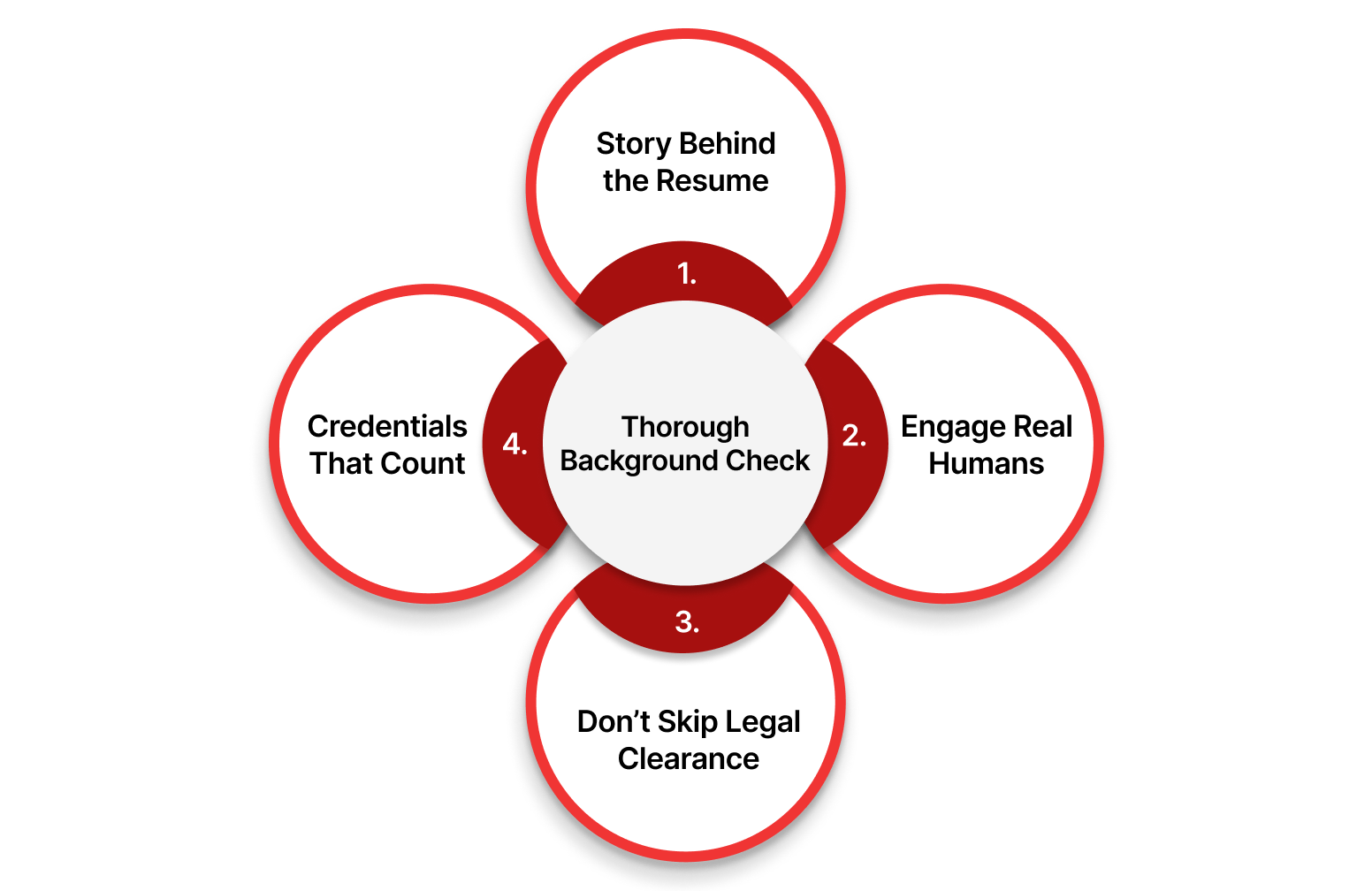
Even the most impressive resume can hide deal-breaking red flags.
One weak hire can derail timelines and damage client trust.
1. Check the Story Behind the Resume
- Verify employment history and project scope, don’t rely on surface-level claims.
- Look for consistency, ownership, and real-world delivery.
2. Speak to Real Humans, Not Just LinkedIn
- Call former managers or tech leads, not just listed references.
- Ask about reliability, communication, and problem-solving under pressure.
3. Don’t Skip Legal Clearance
- Confirm visa status, non-competes, and eligibility to work.
- Avoid last-minute surprises that stall onboarding.
4. Dig Into Credentials That Matter
- Validate certifications only if they apply directly to the role.
- Focus more on skills tested, not logos earned.
Thorough background check protects your client, your candidate, and your reputation.
8. Onboard the Engineer with a Structured Plan
A strong onboarding experience builds early trust, accelerates productivity, and sets the tone for retention.
When onboarding is done right, engineers settle in faster and stick around longer.
9. Monitor Progress During the Probationary Period
The probation window isn’t just a formality, it’s your second chance to assess alignment and impact.
Make it count by keeping the process structured, focused, and supportive.
- Create weekly feedback loops
Don't wait till the end, offer bite-sized feedback along the way. - Check alignment with team culture
Observe collaboration, ownership, and willingness to learn. - Look beyond technical delivery
Track communication, proactivity, and ability to handle feedback. - Document observations consistently
Use a shared scorecard to avoid bias and stay objective. - Decide early, not late
If doubts persist after week six, start planning your next move.
Consistent check-ins help you catch red flags and give great hires the credit they deserve.
Scaling tech teams isn’t just about hiring, it’s about sustainability. Consultadd takes care of the heavy lifting: visa support, onboarding, documentation, benefits, and payroll. You focus on growth while we handle the admin that slows teams down.
Conclusion: Hiring and Retaining the Best Software Engineers
Hiring demands precision, speed, and trust. Recruiters face vanishing candidates, compliance delays, and poor retention. They need a strategy for long-term value.
That’s why every step from clear job definitions to onboarding must be backed by a partner who understands the real pressure of staffing.
Here’s how Consultadd empowers you to hire better and retain longer:
- Safe, reliable hires: Candidates thoroughly vetted for skill, compliance, and cultural fit.
- Lower turnover risk: No more early exits our talent is committed to long-term success.
- Compliance made easy: From visa checks to documentation, we handle the heavy lifting.
- Speed without shortcuts: Ready-to-deploy engineers, sourced in less than 24 hours.
- Dedicated support: 1:1 account managers guide you from req to ramp-up.
- Proven success:
- 5K+ successful staffing engagements
- ~65 staffing companies supported in the last year
- MSAs signed with Robert Half, Teksystems, and other industry leaders
- Top 100 high-performing candidates placed in the last 12 months
- Strong university connections to tap emerging talent
Key Takeaways
- Software engineering recruitment is highly competitive, making speed, personalization, and strategic sourcing essential to securing top talent.
- Impact-driven job descriptions attract stronger candidates by emphasizing ownership, growth opportunities, and meaningful work instead of lengthy requirement lists.
- Skills-first hiring produces better outcomes by prioritizing real-world technical ability, problem-solving, and collaboration over job titles, degrees, or company names.
- An effective hiring process extends beyond the offer letter. Structured onboarding, regular feedback, and probationary reviews improve productivity, engagement, and long-term retention.
- Partnering with an experienced technical staffing provider helps organizations reduce hiring delays, access pre-vetted engineers, simplify compliance, and scale engineering teams with confidence.
FAQs
Why is speed critical in hiring software engineers?
Hiring cycles are tightening, and delays mean losing top candidates. Fast, clear communication and quick offers build trust and prevent candidates from accepting other opportunities.
How can companies better assess software engineers beyond resumes?
Focus on skills-based screening with real-world tests, scenario questions, and reviewing open-source projects. Behavioral interviews assess teamwork, communication, and cultural fit, ensuring a well-rounded evaluation.
What role does onboarding play in retaining new engineers?
Structured onboarding with clear plans, mentorship, and regular check-ins accelerates productivity, builds trust, and fosters a sense of belonging, which improves retention and long-term success.